

How to Clean HDPE Outdoor Furniture (Step by Step)
Last Updated at: Mike HartmanQuick Answer: HDPE outdoor furniture cleans with warm water, mild dish soap, and a soft brush or sponge — no harsh chemicals, no sealing, no sanding. Spray it down, scrub lightly, rinse, and let it air dry. Even mildew and stubborn stains lift with a simple bleach-and-water or vinegar solution, and the color never fades.
Why Cleaning HDPE Is So Simple
If you have spent a weekend sanding, staining, and resealing wood furniture, the thought of cleaning another patio set might make you cringe. HDPE poly lumber was designed to end that cycle for good. Unlike wood, which soaks up water and needs protective coatings, HDPE is a dense, non-porous plastic made from recycled milk jugs and detergent bottles. Dirt, pollen, and spills sit on the surface instead of soaking in, so a quick wash removes almost everything in minutes.
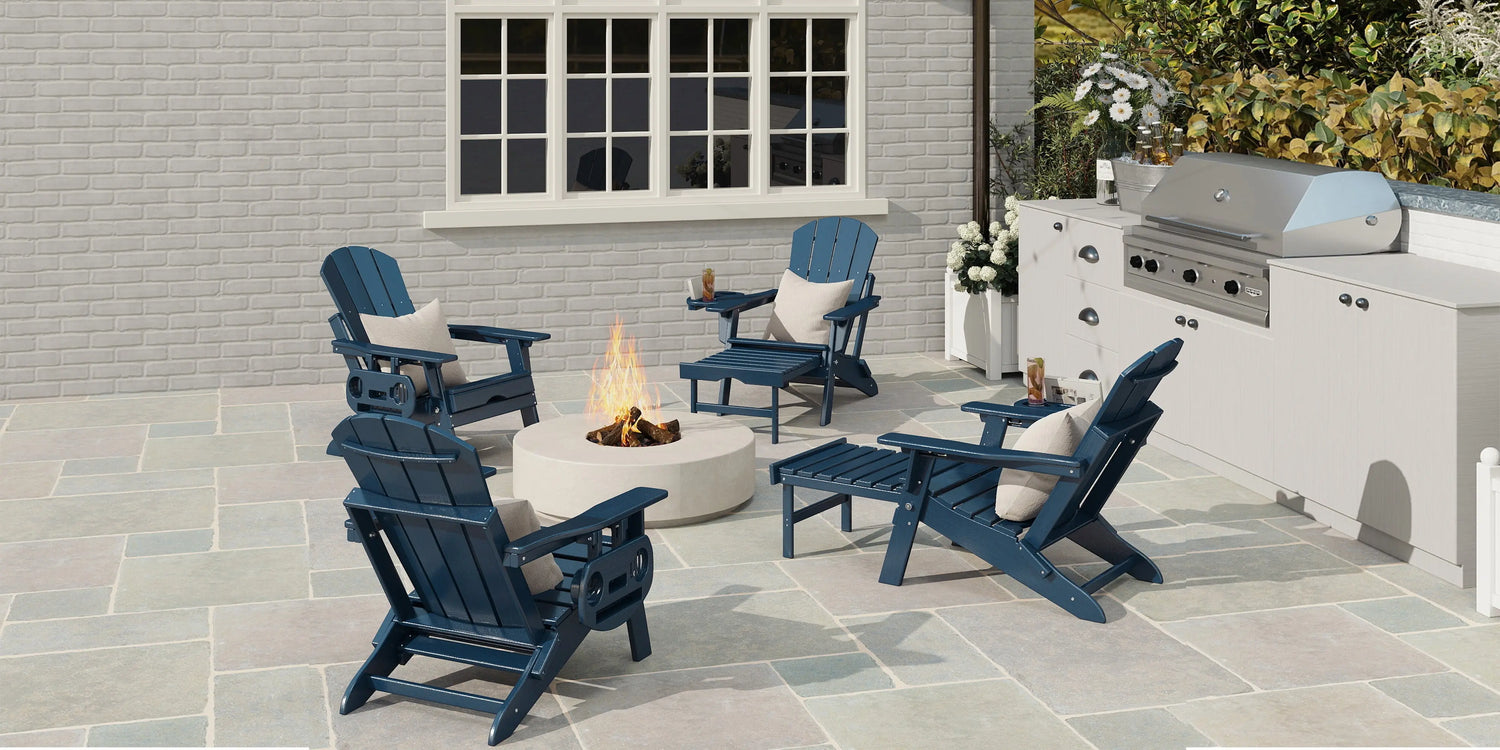
There is a bigger advantage hiding under the surface, too. HDPE is colored all the way through, not just painted on top. That means scrubbing cannot wear through a finish or expose a different color underneath. When you clean a bright white or navy blue HDPE Adirondack chair, you are cleaning solid color, not a coating. No matter how many times you wash it, the color stays exactly the same.
Because the material is so forgiving, the real question is not how hard to clean it but how little effort is actually required. Most of the time, a garden hose and five minutes of light scrubbing are the whole job. That is the beauty of buying it once and maintaining it never.

What You'll Need to Clean HDPE Furniture
You almost certainly already own everything on this list. HDPE cleaning does not call for specialty products, and that is intentional — the material is engineered to resist the very grime that forces other furniture into expensive care routines.
- Warm water — from a garden hose or a bucket.
- Mild dish soap — a few drops of Dawn or any gentle liquid soap.
- A soft-bristle brush or non-abrasive sponge — nothing that could scratch the surface.
- A microfiber cloth — for drying and buffing away water spots.
- White vinegar — the chemical-free option for mildew and light stains.
- Diluted bleach — only for stubborn mildew, mixed one part bleach to three parts water.
Skip the steel wool, the wire brushes, and the harsh solvent cleaners. You will not need them, and abrasive tools can dull the subtle surface texture of the poly lumber over time. If you are cleaning a larger setup like an HDPE lounge sofa set, add a second bucket of rinse water so you are not reusing dirty water on the cushions' frame.
How to Clean HDPE Outdoor Furniture: Step by Step
Here is the exact routine I use on my own patio furniture here in Texas, where pollen season runs long and everything outside catches a layer of dust. It takes about 15 minutes for a standard dining set and uses nothing but water, soap, and elbow grease.
Step 1: Clear and Rinse
Remove any cushions and set them aside — most waterproof HDPE chair cushions have removable, washable covers, but the frame should be cleaned separately. Then spray the entire piece down with a garden hose to knock off loose dirt, dust, pollen, and leaves. Rinsing first keeps you from grinding grit into the surface while you scrub.
Step 2: Wash With Soap and Water
Fill a bucket with warm water and add a few drops of mild dish soap until it barely suds. Dip your soft brush or sponge, then work in small sections, using light, even strokes. You do not need to press hard — the soap does the work because grime cannot penetrate the non-porous surface. Pay extra attention to flat surfaces like tabletops and armrests where dust settles.
Step 3: Scrub Problem Spots
For anything that does not lift on the first pass — bird droppings, dried food, tree sap — spend a few extra seconds on that spot with the brush. HDPE will not be harmed by a firm scrub, so do not be timid. If a stain resists plain soap, move to the mildew and stain methods in the next section rather than reaching for an abrasive pad.
Step 4: Rinse Thoroughly
Rinse every surface with clean water until no soap remains. Leftover soap film attracts dust and leaves streaks once it dries. This step matters most on dark-colored pieces like a black or espresso HDPE dining table, where residue shows up as faint white haze.
Step 5: Air Dry
Let the furniture air dry in the sun, or wipe it down with a microfiber cloth if you want to use it right away. HDPE dries fast because water beads on the surface instead of soaking in. There is no need to oil, seal, or condition anything when you are finished — the job ends at dry.
Removing Mildew, Mold, and Stubborn Stains
Even the toughest HDPE problems have simple fixes. Mildew, tree sap, and food stains look worse than they are — none of them can sink into the material, so each one responds to a targeted treatment that takes a few minutes.

Mildew and Mold
In humid or shaded spots, mildew can form on any outdoor surface, including HDPE. To remove it, mix one part bleach with three parts water and wipe or spray it onto the affected area only. Let it sit for 10 to 15 minutes, scrub lightly with a soft-bristle brush, then rinse thoroughly. For a chemical-free option, undiluted white vinegar works well on light mildew and is safe around plants and pets.
Tree Sap and Bird Droppings
Soften dried sap or droppings with warm, soapy water first, then gently scrape with a plastic putty knife or the edge of an old credit card. Follow with a normal soap-and-water wash. If sap is especially stubborn, a small amount of mineral spirits on a cloth removes it, but rinse the area immediately afterward and test an inconspicuous spot first.
Food, Drink, and Sunscreen Stains
Barbecue sauce, red wine, and sunscreen all wipe away from HDPE with warm soapy water and a light scrub. For grease-based stains, add a drop of dish soap directly to the spot and scrub before rinsing. Because the color runs all the way through the lumber, there is no finish to stain — the mess simply sits on top and lifts off.
What Never to Do to HDPE Poly Lumber
HDPE is forgiving, but a few habits will shorten the life of any piece. Avoid these and your furniture will look new for 20 years or more.
- Do not use abrasive pads or steel wool. They can scratch the surface texture and leave it looking dull in bright light.
- Do not use paint thinner, acetone, or strong solvents. These can soften the plastic and permanently mar the finish.
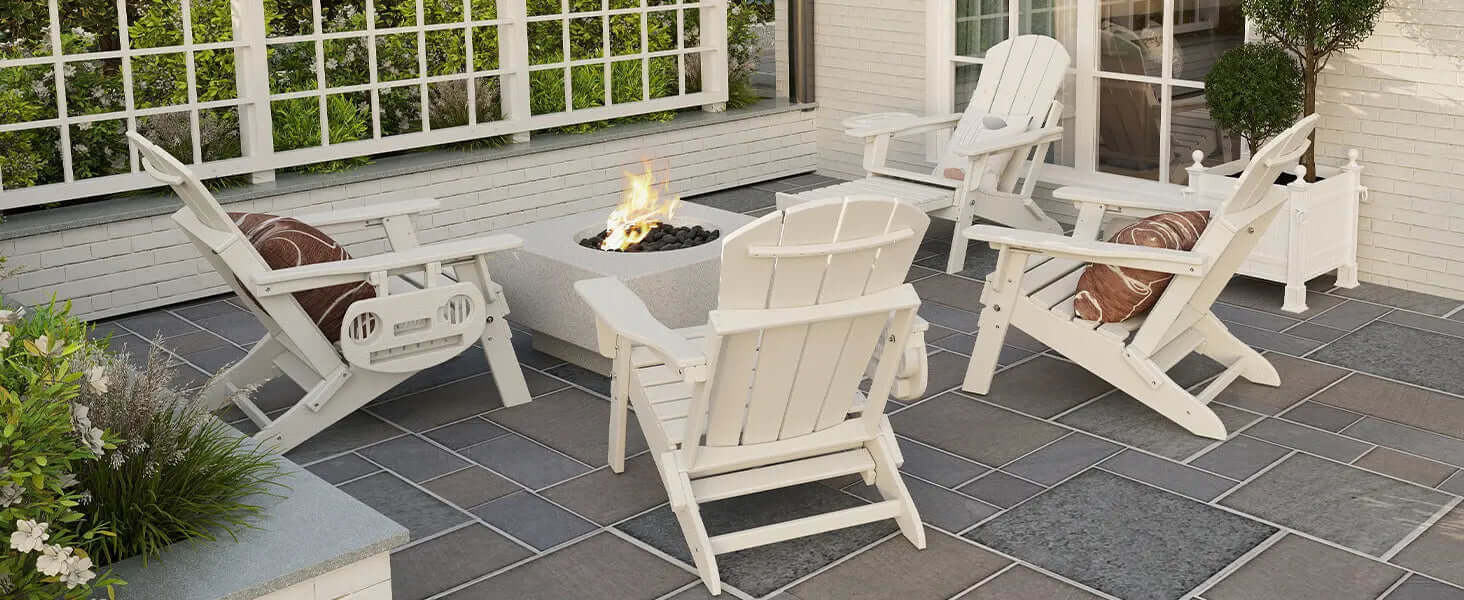
- Do not place hot grills or fire pits directly against the lumber. Extreme heat can warp HDPE. If you are building a seating area around a fire, choose pieces meant for it — our fire pit chair guide covers the right spacing and materials.
- Do not power-wash at close range. A gentle fan setting from a distance is fine; a direct, concentrated jet is overkill and can damage hardware.
For a deeper look at what keeps these pieces looking new year after year, see our guide to cleaning and maintaining HDPE outdoor furniture.
Seasonal Cleaning Routine for Every Climate
How often you clean depends on where you live and how you use the furniture. A simple twice-a-year wash — once in spring and once before storage — covers most people, but certain conditions call for a little more attention.

- Coastal homes: Salt air leaves a fine film. Rinse with fresh water every month to prevent buildup.
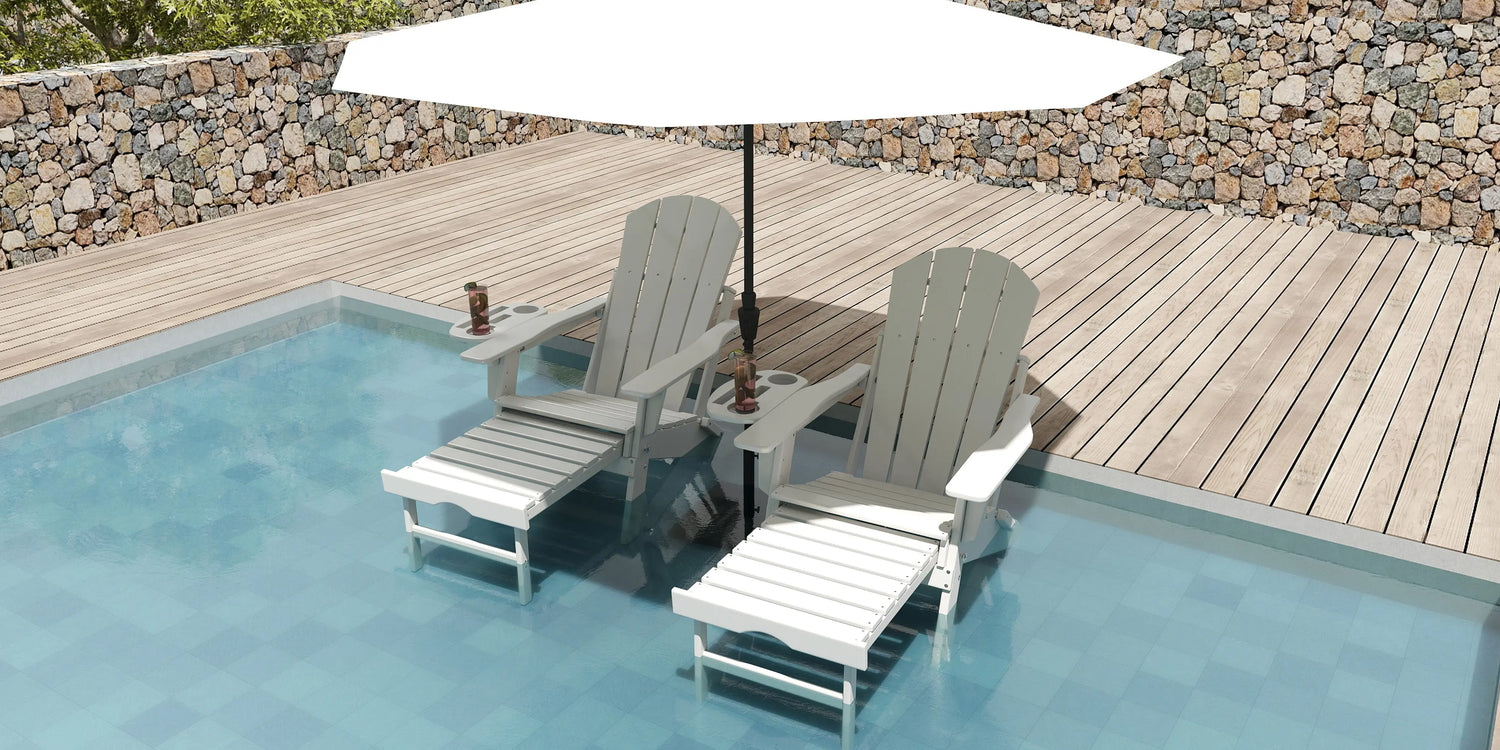
- Poolside furniture: Chlorine and sunscreen combine into a greasy residue. Wash HDPE pool lounge chairs every two to three weeks during swim season.
- High-pollen areas: A weekly hose-down during spring pollen season keeps yellow dust from caking into corners.
- Snowy climates: Before storing for winter, wash and fully dry each piece, then cover it. Our winterizing guide walks through the full shutdown routine, and the outdoor covers guide explains which covers are worth the money.
If you clean on a schedule, you will never face a big cleanup job. The grime simply never gets a chance to build. And if you want a year-round maintenance plan you can set and forget, our year-round HDPE maintenance calendar lays out exactly what to do each season.
Frequently Asked Questions
How often should I clean HDPE outdoor furniture?
A quick wash twice a year — once in spring and once before winter storage — is enough for most households. In high-pollen, coastal, or poolside settings, wash every two to three months to prevent grime from building up.
Can I use a pressure washer on HDPE furniture?
Yes, but keep the nozzle on a fan setting below 1,500 PSI and hold it at least 12 inches away. High pressure is not needed — HDPE has a solid color throughout, so a garden hose and soft brush get the same result without risking damage to nearby hardware.
Does bleach damage HDPE poly lumber?
Diluted bleach is safe for spot-treating mildew. Mix no more than one part bleach to three parts water, apply to the affected area only, let it sit for 10 to 15 minutes, and rinse fully. Avoid leaving concentrated bleach on the surface for long periods.
How do I remove mildew from HDPE furniture?
Wipe the area with a mix of one part bleach to three parts water, or use white vinegar for a chemical-free option. Let it sit for 10 to 15 minutes, scrub gently with a soft-bristle brush, then rinse thoroughly and air dry.
Do I need to seal, paint, or oil HDPE furniture?
No. HDPE poly lumber is solid-colored throughout and never needs sealing, painting, staining, or oiling. The finish will not peel, crack, or fade the way wood and metal coatings do.
Now that you know how quick and easy the upkeep really is, browse our complete HDPE outdoor furniture collection and build a patio that looks great today and for decades to come — with cleaning measured in minutes, not weekends.

Mike Hartman
With over 20 years in outdoor construction and patio design, Mike has tested hundreds of outdoor furniture pieces in the brutal Texas sun. His philosophy: buy it once, maintain it never. When he is not writing, he is on his porch in Hill Country with a cold drink and a good book.
Read more from Mike →