

Rocking Chair Buying Guide: Find Your Perfect Porch Rocker
Last Updated at: Mike HartmanQuick Answer: The best rocking chair for your porch comes down to three things: weatherproof materials, body-friendly sizing, and comfort features that match how you actually relax. For most homes, an HDPE poly lumber rocker wins on all three — zero maintenance, 20-plus years of life, and all-day comfort.
A rocking chair is the one piece of outdoor furniture people buy on emotion and judge on durability for the next two decades. Pick right, and it becomes the spot where you drink morning coffee, read after dinner, and watch storms roll in. Pick wrong, and you own a creaky, faded chair you avoid by August. This rocking chair buying guide walks through material, style, sizing, and comfort so your rocker earns its place for the long haul.
Start With the Material, Because Everything Else Depends on It
The single biggest mistake in a rocking chair purchase is falling for looks and ignoring the material. For anything exposed to sun, rain, humidity, or salt air, the material decides how long your chair survives and how much work it asks of you.
HDPE Poly Lumber: The Set-It-and-Forget-It Choice
HDPE (high-density polyethylene) poly lumber is the material I recommend to nearly every homeowner. It's built from recycled plastics — milk jugs and detergent bottles — molded into dense, furniture-grade boards. HDPE never splinters, cracks, rots, or rusts. It shrugs off moisture, UV rays, salt air, and carpenter bees alike, and it needs no sanding, staining, or sealing — dirt and pollen wipe off with soap and water. A quality poly lumber chair easily lasts 20 years or more outdoors, which is why it carries the strongest warranties in the category. If your priority is buying once and maintaining never, see why HDPE rocking chairs are the future of outdoor relaxation.
Wood, Metal, and Wicker: Know the Trade-Offs
Traditional wood rockers — cedar, teak, and oak — look beautiful but demand seasonal upkeep. Cedar and oak need staining or sealing every year or two to resist rot, and even then they split and check over time; teak weathers gracefully but costs a premium. Metal rockers bring a classic look but rust at the first paint chip and get uncomfortably hot in direct sun. Natural wicker is indoor-only; synthetic resin wicker traps dirt and can fray after a few seasons. For a fuller comparison, see our breakdown of the best material for outdoor furniture.
Rocking Chair Styles: Find the Silhouette That Fits Your Porch
Once the material is settled, style is where personal taste takes over. The good news is that HDPE now comes in nearly every classic silhouette, so you rarely have to trade durability for a look you love.
Classic Adirondack Rocker
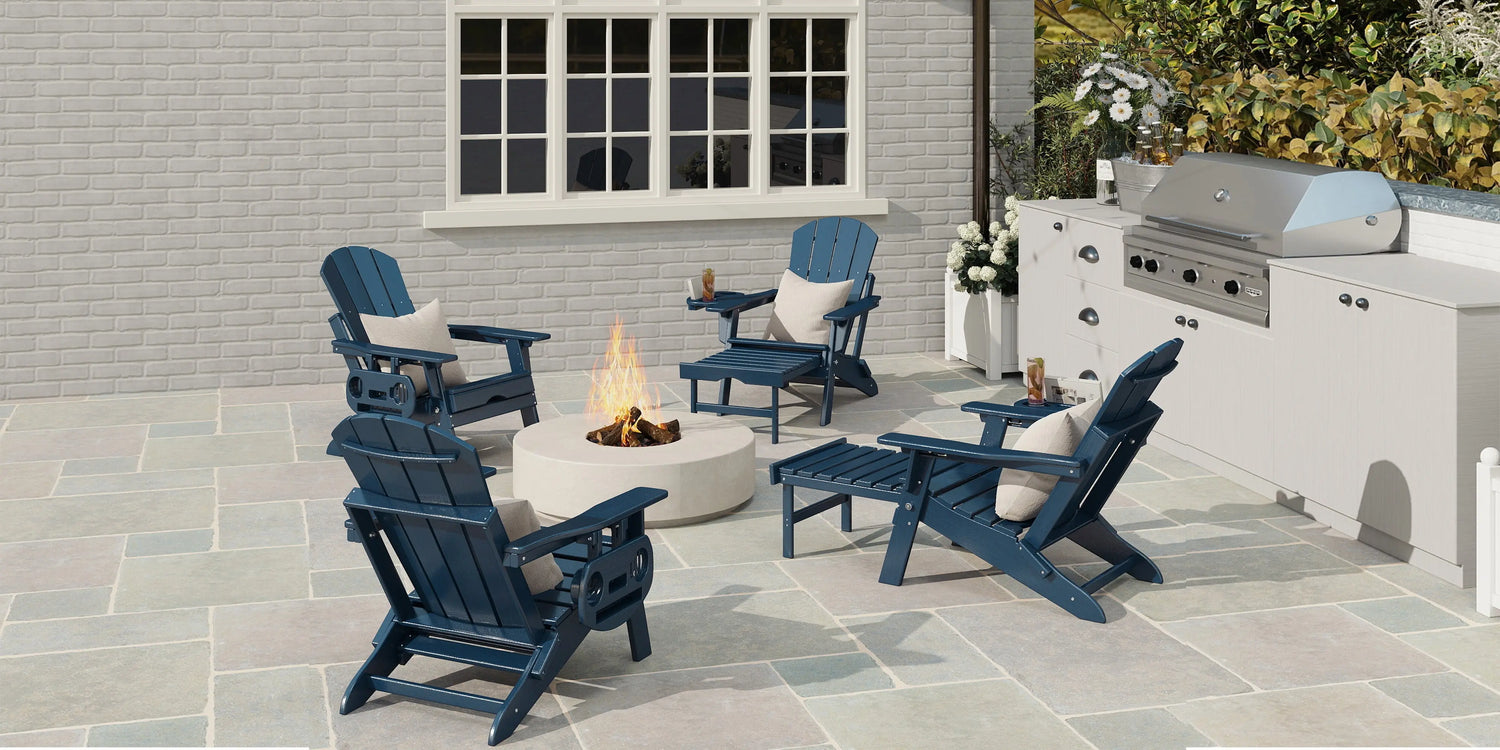
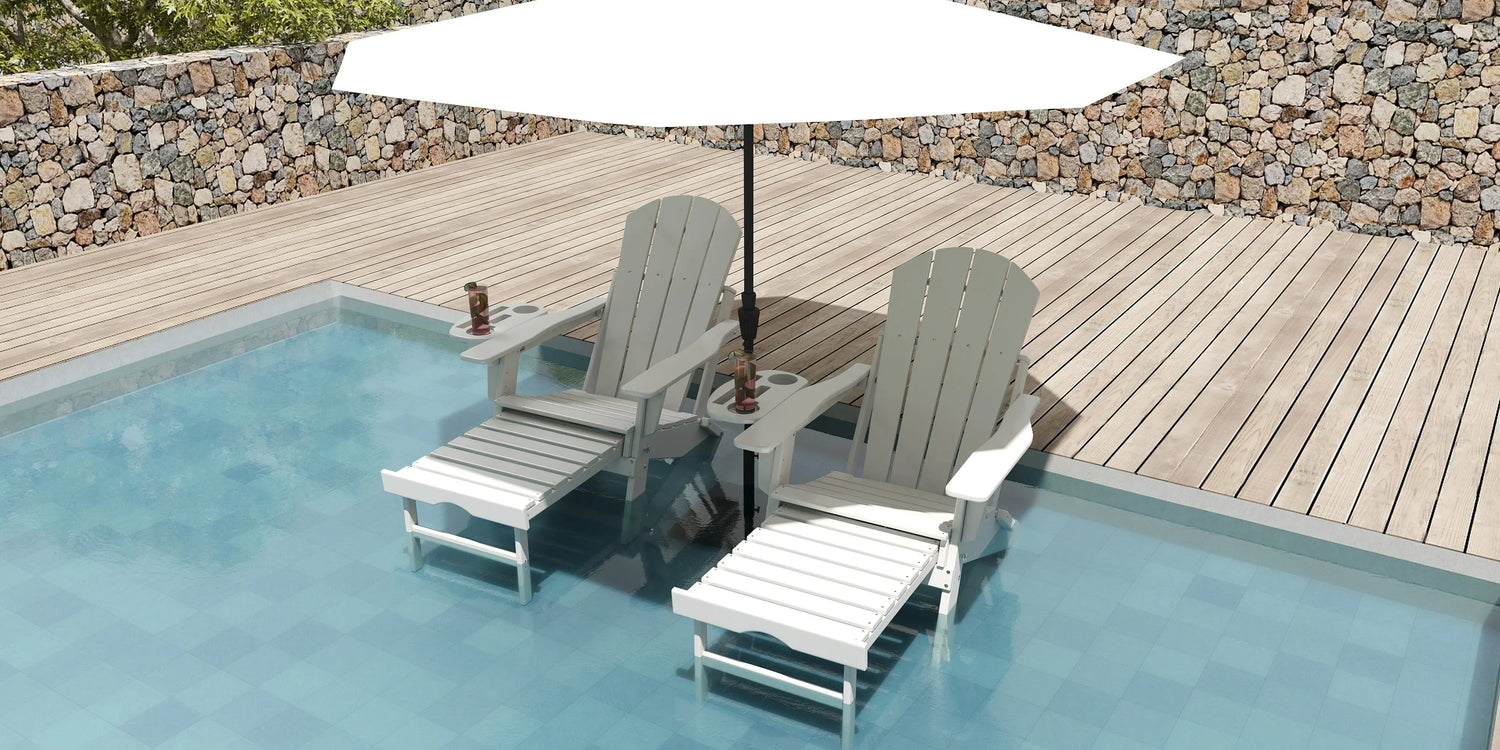
The Adirondack rocker is the porch icon — a wide, sloped seat, a tall fan-shaped back, and wide armrests. It sits low and leans back, which makes it the most laid-back of the rocking styles and a favorite for napping and long conversations. Pair it with an ottoman and you have a full relaxation station. The Classic Adirondack Rocking Chair with Ottoman is the purest expression of this silhouette.
Modern and Contoured Rockers
If your home leans contemporary, a modern rocker trades the fan back for clean, straight lines and a more upright, ergonomic pitch. These chairs often add subtle lumbar shaping and a narrower footprint, which suits smaller porches and balconies. The Modern HDPE Patio Rocking Chairs show how poly lumber can read as crisp and current rather than rustic.
Folding and Space-Saving Rockers
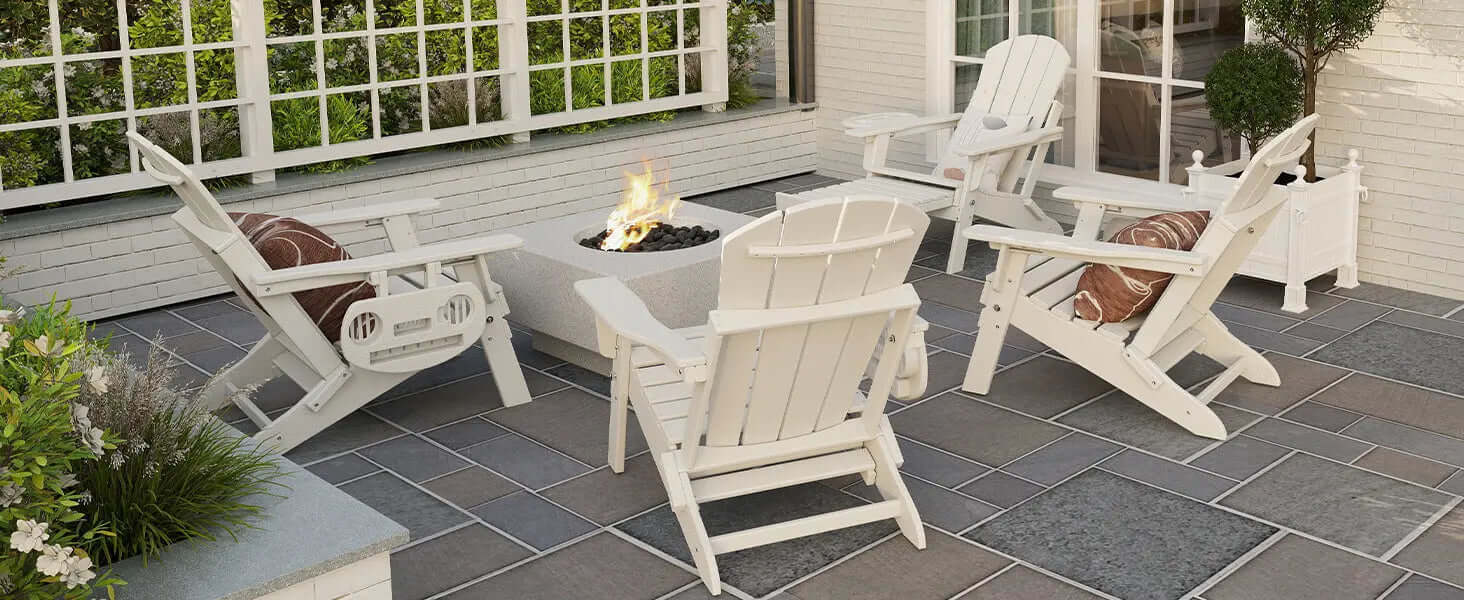
Folding rockers solve a real problem: storage. If you bring furniture in for winter or need to free up floor space for a party, a folding model collapses flat in seconds without sacrificing the dense HDPE boards that give fixed chairs their strength. The Patio Folding Adirondack Rocking Chair delivers the full rocker experience in a stow-away package.
Rockers With Built-In Convenience
Some rockers go beyond the basics with integrated cup holders, which solve the eternal porch problem of where to put your drink while you rock. No more balancing a glass on a wide armrest or reaching down to the floor mid-motion — it's the kind of small detail you appreciate every single day. Explore the Porch Rocking Chairs with Cup Holders to see the range.

How to Size a Rocking Chair for Your Body
A chair that looks perfect can still be miserable if it doesn't fit you. The wrong dimensions can't be fixed with a cushion. Here is what to measure and what to look for.
Seat Height and Depth
Seat height matters most. Most adults are happiest with a seat height of 16 to 18 inches — high enough that knees bend near 90 degrees, low enough that feet rest flat rather than dangling. Seat depth matters next: 18 to 20 inches supports the full length of your thighs without pressing into the backs of your knees.
Back Height and Recline Angle
For head and shoulder support while you lean back, look for a back of at least 30 inches tall. The recline angle shapes the whole experience: a deep recline is great for napping but harder to get out of, while a more upright pitch is better for reading and conversation. If you're buying for an older relative or anyone with knee or hip trouble, lean toward a slightly higher seat and a gentler recline.
Getting the Fit Right Before You Commit
The most reliable test is the sit test: when seated, your feet should rest flat with your knees at roughly a right angle, and your lower back should touch the chair back without arching. If you can't try a chair in person, match the listed dimensions against a chair you already find comfortable. For a deeper dive on matching dimensions to your frame, read our guide to choosing the right outdoor rocking chair.
Comfort Features Worth Paying For
Beyond the basics, a handful of upgrades separate a good rocker from the chair you never want to leave.
Contoured Seats and Curved Backs
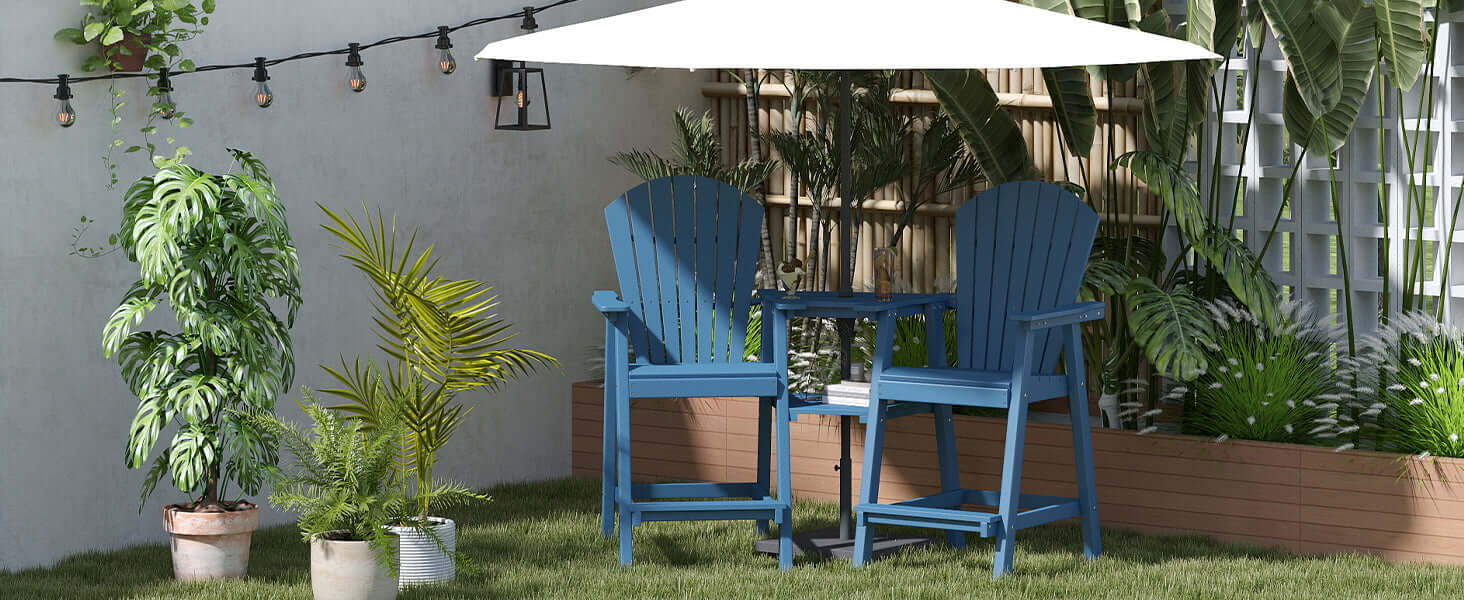
Flat, unshaped seats create pressure points under your thighs, while a contoured seat scoops to follow the body and keeps you from sliding forward. The same logic applies to the back: a gently curved back cradles your spine, while a perfectly flat back leaves your lower back unsupported. The Traditional Curveback Adirondack Chairs are built around exactly this principle.
Wide Armrests and Cup Holders
Wide, flat armrests are the unsung heroes of a good rocker. They give you a natural place to rest your arms, set a book or tablet, and push off from when you stand. Built-in cup holders go one step further by keeping drinks secure through the rocking motion. If you spend real time on the porch, these details pay for themselves in daily convenience.
Ottomans and Footrests
An ottoman converts a good chair into a genuinely restful one by letting you elevate your legs and take pressure off your lower back. If you picture long afternoons with a book rather than short visits, buy the matching ottoman up front.

Matching the Chair to Your Porch and Lifestyle
Material, style, and fit are the foundation, but two practical questions finish the job: how much room do you have, and who is using the chair?
Space and Footprint
Rocking chairs need clearance to rock. A standard rocker's arc adds roughly 12 to 18 inches of travel front and back, so leave at least two feet of open space in front of and behind the chair. On a narrow porch or balcony, a modern or folding design with a tighter arc fits better than a deep-recline Adirondack.
Weight Capacity and Durability
Quality HDPE rockers are built heavy, with stainless-steel hardware and a weight capacity typically in the 250- to 350-pound range. If multiple adults of different sizes will use the chair, confirm the rating and check for reinforced stress points at the seat-runner joint. A heavier chair also rocks more smoothly and resists tipping on a windy porch — poly lumber's weight is a feature, not a flaw.
Color and Sun Exposure
Color is both aesthetic and practical. Lighter colors such as white, gray, sand, and tan stay coolest in direct sun and hide dust best, while darker colors look rich but absorb more heat. If your porch gets full afternoon sun, a lighter HDPE finish will stay noticeably more comfortable to sit on bare-legged.
How to Care for a Rocking Chair You Never Have to Maintain
Here's the best part of choosing HDPE: the maintenance routine is almost nothing. A few times a season, spray the chair down with a garden hose and wipe with mild soap and water to clear off pollen and grime. For stubborn spots, a soft-bristle brush and a gentle cleaner do the trick — never a power washer at close range, which can etch the surface. There's no sanding, no staining, and no winterizing beyond optionally stacking or covering the chair.

Frequently Asked Questions
What is the best material for an outdoor rocking chair?
HDPE poly lumber is the best material for an outdoor rocking chair. Made from recycled high-density polyethylene, it never splinters, cracks, or rots the way wood does, and it never rusts like metal. It resists moisture, UV rays, salt air, and insects, and it requires no painting, staining, or sealing to stay looking new for 20-plus years.
How do I choose the right size rocking chair?
Match the seat height to your leg length. Most adults are comfortable in a chair with a seat height between 16 and 18 inches, a seat depth of 18 to 20 inches, and a back height of at least 30 inches for full head and shoulder support. Taller users should look for a deeper seat and a higher back, while shorter users should confirm their feet rest flat on the floor without sliding forward.
Do HDPE rocking chairs get hot in direct sun?
HDPE poly lumber stays noticeably cooler than dark metal or dense wood because it does not conduct and hold heat the same way. Light colors such as white, gray, and tan reflect more sunlight and stay coolest. Darker colors can warm up in full afternoon sun, but the material cools quickly once shaded.
How long do HDPE poly lumber rocking chairs last?
A quality HDPE rocking chair typically lasts 20 years or more outdoors, even in harsh climates. The material is resistant to fading, cracking, rot, and insect damage, and it does not need refinishing. Many manufacturers back HDPE furniture with 12- to 20-year residential warranties, far longer than most wood or metal options.
Are cup holders and ottomans worth the extra cost?
Yes, for most people. A built-in cup holder keeps drinks stable and within reach while you rock, and an ottoman turns the chair into a true relaxation setup for your legs and feet. Both are inexpensive upgrades that meaningfully improve daily comfort, so they are worth it if you plan to spend long stretches on the porch.

Mike Hartman
With over 20 years in outdoor construction and patio design, Mike has tested hundreds of outdoor furniture pieces in the brutal Texas sun. His philosophy: buy it once, maintain it never. When he is not writing, he is on his porch in Hill Country with a cold drink and a good book.
Read more from Mike →