

How to Winterize Patio Furniture: A Complete Guide
Last Updated at: Mike HartmanQuick Answer: To winterize patio furniture, deep-clean every piece, let it dry completely, treat or seal wood and metal where needed, store cushions indoors, and cover or store the frames before the first freeze. HDPE poly lumber is the exception—it needs only a quick wash and can stay outside all winter.
Every fall, millions of Americans haul chairs, tables, and loungers into garages or drag tarps over them and call it a day. The problem is that most of us do it wrong. Winterizing patio furniture is less about hiding your pieces from the cold and more about controlling two things: moisture and trapped condensation. Get those right, and your furniture comes out of spring looking exactly the way you left it. Get them wrong, and you are scraping rust, scrubbing mildew, or replacing warped boards by March.
Why Winterizing Patio Furniture Matters
Freezing temperatures do not hurt most patio furniture by themselves. What damages it is water. When moisture seeps into wood grain, steel joints, or woven fibers and then freezes, it expands by roughly 9 percent. That expansion is what cracks wood, pops welds, and splits wicker. Repeat that cycle a few dozen times over a winter and a chair that survived five summers can fail in a single season.

Trapped moisture is the second killer. When you wrap furniture tightly in a plastic tarp, the cover blocks rain but also locks in condensation as temperatures swing. The result is a warm, damp microclimate perfect for mildew, rust, and dry rot. A breathable cover or proper storage almost always beats a tight tarp, regardless of the material underneath.
How much work winterizing actually requires depends almost entirely on what your furniture is made of. Wood and steel demand real effort. HDPE poly lumber—the recycled plastic lumber we build our Adirondack chairs from—asks for almost none, which is exactly why we build with it.
Deep-Clean Everything First
Never cover dirty furniture. Dirt, pollen, bird droppings, and spilled drinks all hold moisture against the surface and feed mildew growth all winter. Start with a thorough cleaning, and match the cleaner to the material.
HDPE Poly Lumber
This is the easy one. HDPE poly lumber is non-porous, so it does not absorb water, stain, or support mildew. Mix a few drops of mild dish soap into warm water, scrub with a soft-bristle brush, and rinse. There is no need to seal, oil, or paint it—ever. For a deeper look at keeping this material clean year-round, see our guide to cleaning and maintaining HDPE furniture.
Wood
Teak, cedar, and eucalyptus develop a natural gray patina over time, but dirt accelerates the breakdown of the surface fibers. Scrub along the grain with warm water and a wood-safe cleaner, then rinse. Avoid pressure washing, which gouges soft wood and drives water deep into the grain. Let the wood dry for 24 to 48 hours before you apply any sealant or oil.
Metal
Wash aluminum and steel frames with soapy water and a soft cloth. Inspect every joint, weld, and screw hole for scratches or chipped paint, because bare metal is where rust starts. Touch up nicks with a rust-inhibiting paint before winter, not after.
Winterizing by Material
Once everything is clean and dry, treat each material according to its weaknesses. Here is what actually works for the four most common patio furniture materials.
HDPE Poly Lumber: Wash and Walk Away
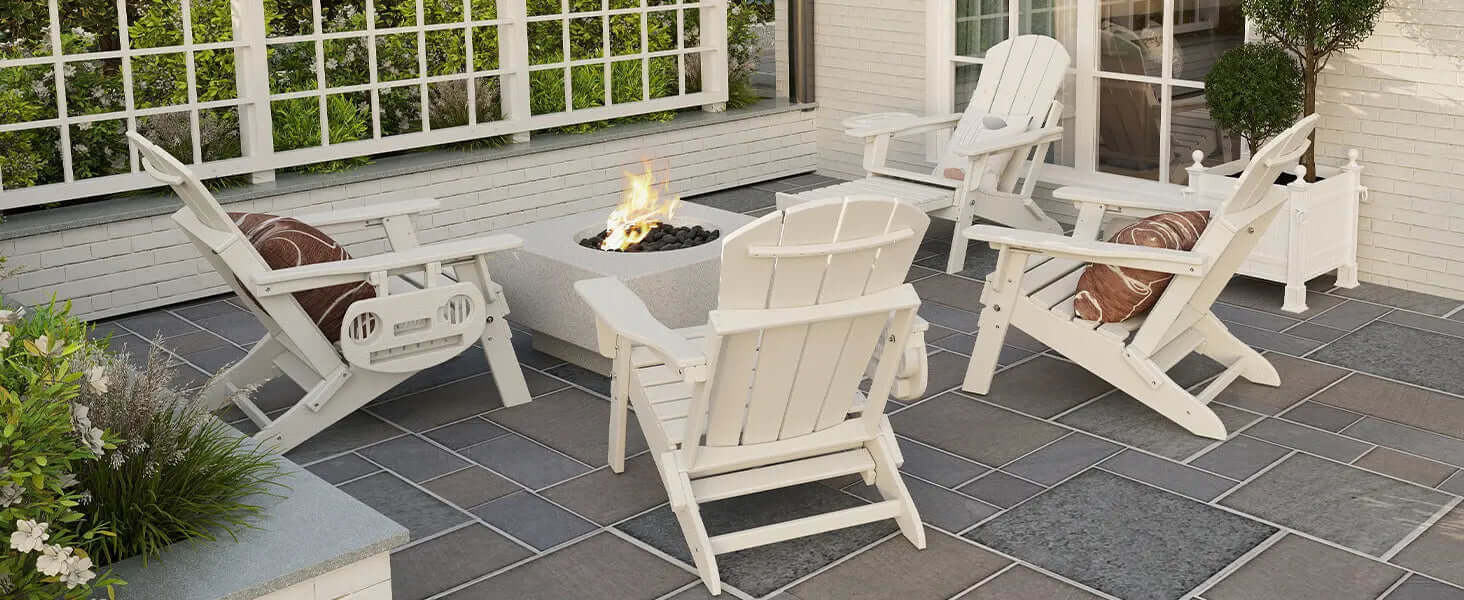
If your goal is to do as little winter maintenance as possible, HDPE is the material to buy. It will not rot, crack, warp, or fade in freezing weather, and it never needs sanding, sealing, or repainting. A washed HDPE outdoor dining set can sit uncovered through a Northern winter and be ready for use on the first warm day of spring. The only real job is wiping it down before the season ends so you are not scrubbing four months of grime come April.
Wood: Oil, Seal, or Store
Teak and cedar are the toughest outdoor woods, but even they benefit from a coat of teak oil or a penetrating sealer before winter—applied only after the wood is completely dry. Cheaper softwoods like pine or fir should be painted or sealed every fall without exception, and ideally stored under cover. If wood furniture must stay outside, keep it elevated on risers so the legs are not sitting in pooled water, and cover it with a breathable cover, not plastic.

Metal: Stop Rust Before It Starts
Aluminum is naturally rust-resistant and needs nothing beyond a cleaning, though a quick wipe with a silicone or automotive protectant keeps the finish from dulling. Wrought iron and steel are the opposite—any exposed metal will rust, so inspect carefully, treat every chip with touch-up paint, and store pieces indoors or under a fitted cover. Pay special attention to hardware, since screws and bolts corrode faster than the tubing around them.
Wicker and Resin Wicker
Natural wicker is the most vulnerable material on the patio. It absorbs water, and freeze-thaw cycles crack the weave quickly. Natural wicker should always be stored indoors for winter. Resin wicker (synthetic rattan) is far more forgiving and can stay outside in most climates, but a quick wash and a breathable cover will extend its finish. Check for loose weaves before storing, and repair them while the material is still pliable.
Fabric, Cushions, and Umbrellas
Cushions fail in winter almost every time—not from cold, but from being put away damp. Wash or spot-clean the covers, let them dry fully, then store them indoors in a ventilated area. If you do not have indoor space, use vented cushion bags rather than sealed bins. Close and store patio umbrellas upright in a dry location, and if you leave an umbrella in a table, tilt it or remove it so snow and ice cannot pool on the canopy. A covered potting bench is a handy spot for storing cushions and small accessories off the ground.
Cover, Store, or Leave It Out?
The single most common winterizing mistake is the "one tarp fits all" approach. Your decision should come down to material and available space.
Bring inside: natural wicker, cushions, umbrellas, and any wood or wrought-iron pieces you care about. A garage, shed, or basement is ideal, but even a covered porch is better than full exposure.
Cover outside: wood, steel, and resin wicker that cannot be moved indoors. Use a breathable, fitted cover with vents, and keep it slightly off the surface so air circulates. Cinch it snug enough that wind will not take it, but never seal it airtight.
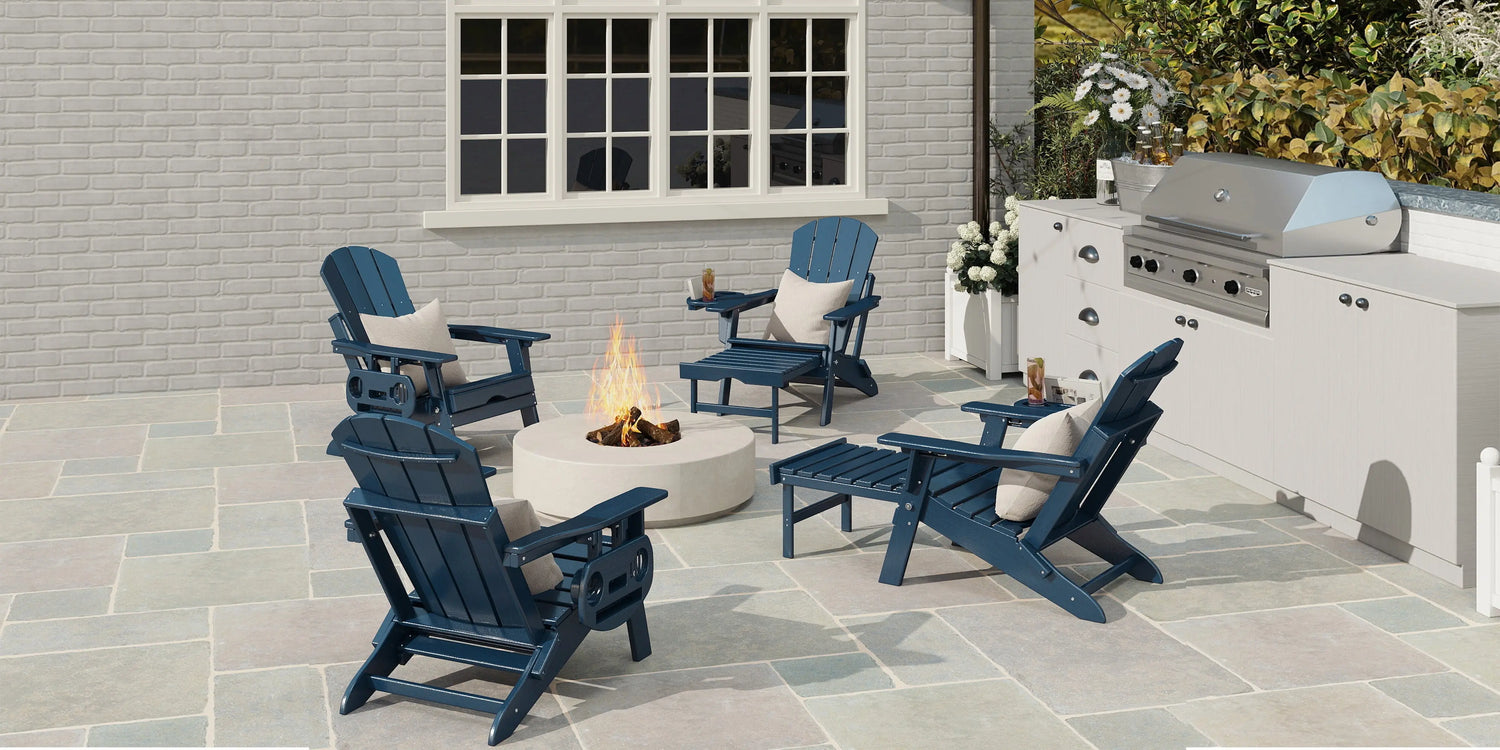
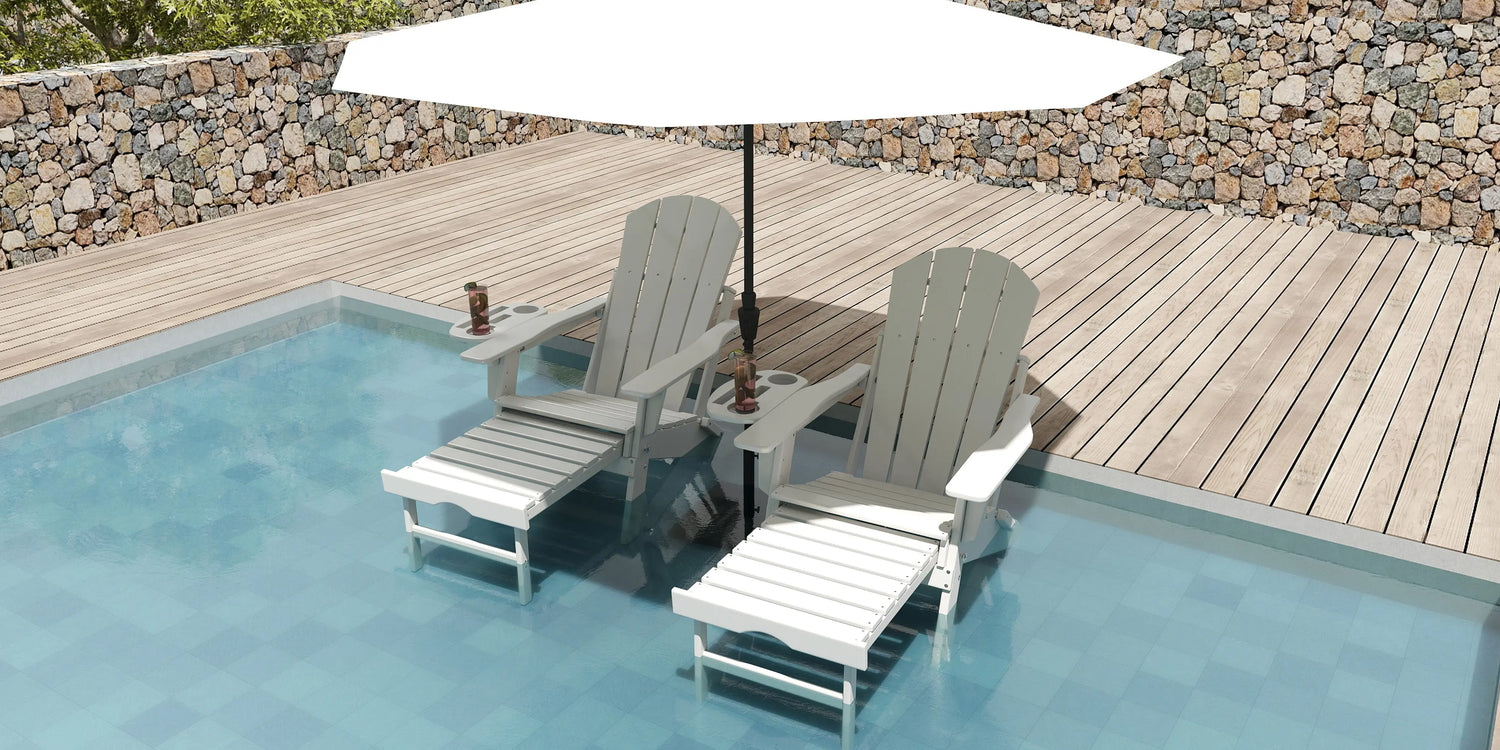
Leave uncovered: HDPE poly lumber, aluminum, and marine-grade materials built for full exposure. Our HDPE rocking chairs and rocking chairs with ottomans fall squarely in this camp—they will sit outside through sleet and snow without complaint.
If you are storing chairs in a stack, put a scrap of cardboard or a folded towel between pieces to prevent scratches, and keep everything up off concrete, which wicks moisture into whatever touches it. A two-tier side table is easy to tuck against a wall and takes up almost no floor space in a shed.
A 10-Minute Winterizing Checklist
Bookmark this list and run through it on a dry weekend before the first hard freeze:
1. Wash every frame, tabletop, and chair with the right cleaner for its material.
2. Rinse thoroughly and let everything dry for 24 to 48 hours.
3. Touch up chips and scratches on painted metal with rust-inhibiting paint.
4. Oil or seal wood after it is fully dry.
5. Clean and fully dry all cushions, then store them indoors or in vented bags.
6. Store umbrellas closed and dry, or tilt them so water cannot pool.
7. Cover wood and steel pieces with breathable, fitted covers—skip the plastic tarp.
8. Elevate stored furniture off concrete and separate stacked pieces to avoid scratches.
Notice what is missing from that list: sanding, sealing, and repainting HDPE. If your patio is furnished with HDPE poly lumber instead of wood or metal, most of these steps simply disappear from your fall routine.

Frequently Asked Questions
Do I need to winterize HDPE poly lumber furniture?
Barely. HDPE poly lumber does not absorb water, so it will not crack, rot, or swell in freezing temperatures. A quick wash with mild soap and water is all it needs, and it can stay outside uncovered all winter without damage.
Can patio furniture stay outside all winter?
It depends on the material. HDPE poly lumber, aluminum, and resin wicker can generally stay outside all winter. Wood, wrought iron, and fabric cushions should be covered or stored indoors to prevent rot, rust, and mildew.
Should I cover patio furniture or bring it inside?
Bring cushions and fabric indoors, and store wood furniture in a shed or garage when possible. For pieces that must stay outside, use a breathable cover rather than a tight tarp, which traps condensation and causes mildew.
How do I protect outdoor cushions in winter?
Clean the cushions, let them dry completely, then store them indoors in a dry, ventilated spot. If you must leave them outside, use vented cushion storage bags. Never store damp cushions, as trapped moisture leads to mold and mildew.
When should I winterize my patio furniture?
Aim for late fall, before the first hard freeze. Once temperatures stay below freezing, water trapped in wood and metal joints expands and causes cracking and rust. Cleaning and covering earlier is always easier than repairing later.
If your current patio set leaves you dreading this ritual every fall, it may be time for an upgrade. Browse our collection of HDPE outdoor furniture—built to survive the winter with nothing more than a quick wash, so you can spend your fall weekends doing something better than covering chairs.

Mike Hartman
With over 20 years in outdoor construction and patio design, Mike has tested hundreds of outdoor furniture pieces in the brutal Texas sun. His philosophy: buy it once, maintain it never. When he is not writing, he is on his porch in Hill Country with a cold drink and a good book.
Read more from Mike →