

Outdoor Furniture Covers: Protect Your HDPE Investment (2026 Guide)
Last Updated at: Mike HartmanQuick Answer: Outdoor furniture covers extend the life of HDPE poly lumber by blocking UV fading, keeping debris and bird droppings off, and reducing freeze-thaw stress on stainless hardware. HDPE is naturally weatherproof, so covers are optional protection, not a survival requirement. Use a breathable, well-fitted cover and remove it after storms to avoid trapped moisture.
Why HDPE Furniture Is Worth Protecting
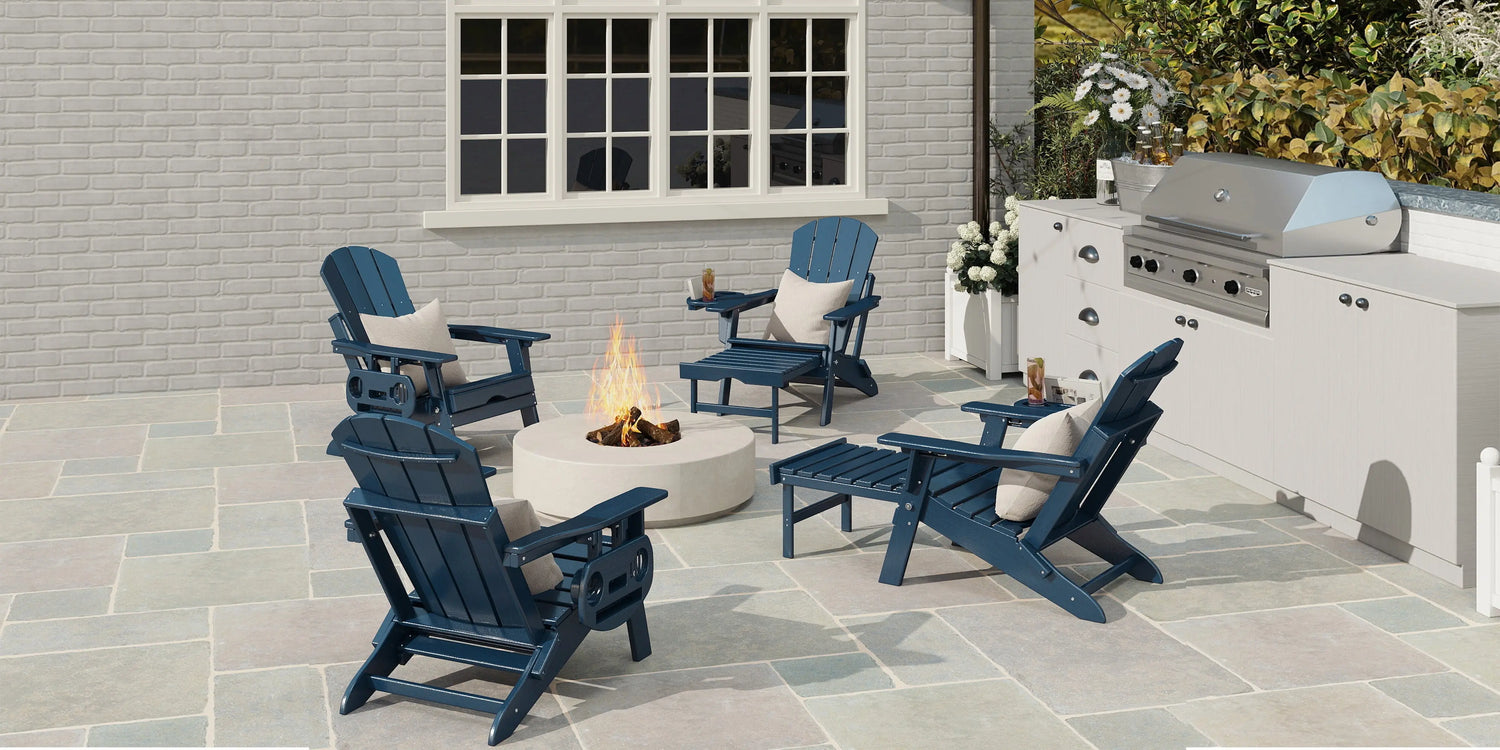
HDPE poly lumber is the closest thing outdoor furniture gets to indestructible. It is made from recycled high-density polyethylene — the same material as milk jugs and detergent bottles — melted down and molded into dense boards that will not rot, splinter, warp, or attract insects the way wood does. A well-built HDPE Adirondack chair can sit outside through rain, snow, and Texas heat for two decades and still hold its shape and color.

That durability is exactly why a good set deserves a little thought at the margins. You are not protecting HDPE from destruction — you are protecting it from the slow, cosmetic wear that separates a set that still looks showroom-fresh after five years from one that just looks "still functional." If you have already invested in a full HDPE dining set or a garden lounge sofa, a $40 cover is cheap insurance against fading, staining, and hardware stress. For a deeper look at why HDPE beats competing materials in the first place, see our HDPE vs. wood vs. metal breakdown.
Do HDPE Pieces Need Covers at All?
Honest answer: no. One of the biggest selling points of poly lumber is that you can leave it uncovered year-round and it will not fail. Unlike teak, which grays and requires oiling, or wrought iron, which rusts, or natural wicker, which unravels in the sun, HDPE simply sits there. If your philosophy is "buy it once and never think about it again," uncovered HDPE will serve you fine.
Covers enter the picture only when you care about appearance and hardware longevity. Color that sits under direct sun for 3,000 hours will fade more than color that spends winters covered. Stainless steel fasteners still benefit from fewer freeze-thaw cycles. And any furniture left under a tree will collect sap, pollen, and droppings that a cover prevents entirely. So the real question is not "will my furniture survive?" but "do I want it to stay clean and bright with zero effort?" For most owners of pieces like our rocking chairs with ottomans, a seasonal cover is a nice-to-have, not a must.
What Actually Damages HDPE Over Time
To decide where covers earn their keep, it helps to know the actual wear vectors. None of them destroy HDPE, but each one dulls it.
UV Exposure and Color Fade
Sunlight is the single biggest driver of cosmetic aging. Quality HDPE is colored all the way through and treated with UV stabilizers, so it fades slowly and evenly rather than peeling or chalking. Still, years of direct southern exposure will gradually lighten any pigment. A cover during the months you are not using the furniture — typically late fall through early spring — meaningfully slows that fade.
Freeze-Thaw Stress on Hardware
HDPE boards barely expand and contract with temperature, which is one reason they do not crack like wood. But water can work its way into fastener recesses and small gaps, and when it freezes it expands. Repeated freeze-thaw cycles put gradual stress on screws and stainless hardware, loosening joints over a period of many winters. A cover keeps water out of those gaps in the first place.
Dirt, Sap, and Bird Droppings
These are more nuisance than damage, but they are persistent. Tree sap bakes onto surfaces in the sun and needs solvent to remove. Pollen and dust settle into the textured surface of poly lumber. Bird droppings are acidic enough to etch a surface if left for weeks. A cover simply keeps all of it off, which is especially valuable for a potting bench or any piece stored near trees.
Wind-Borne Debris and Storms
Hail, blown branches, and flying grit are the rare events that can actually gouge a board. Covers add a layer of padding. More practically, a secure cover keeps cushions and smaller accessories from becoming projectiles in high wind — a common Texas reality.
Types of Outdoor Furniture Covers
Not all covers are created equal, and the wrong one does more harm than good. Here is how they break down.

Breathable Fabric Covers (Best for HDPE)
Solution-dyed polyester covers with a water-resistant coating and taped seams are the standard. The key word is breathable: they shed rain and snow while allowing water vapor to escape, so condensation does not build up against the furniture. Look for covers with built-in vent panels or mesh inserts, and for models with adjustable drawcords and buckled straps that keep the cover from becoming a sail in the wind. This is the right choice for everything from a single chair to a full dining set.
Vinyl and Heavy-Duty Tarps (Use With Caution)
Fully waterproof vinyl covers and plain poly tarps are cheap, but they trap moisture. On a humid day, the air under a sealed vinyl cover condenses and has nowhere to go, leaving your furniture damp for days at a time. That moisture is harmless to HDPE boards but hard on stainless hardware over time and a recipe for mildew on any cushions left underneath. If you use vinyl, keep it loose, elevate it slightly, and open it up after storms.
Universal vs. Custom-Fit
Universal covers come in set sizes and cost less; they are fine for simple shapes like individual chairs and small tables. For irregular silhouettes — a deep-seat lounge sofa, a rocking chair with a tall back, or an assembled dining set — a cover that fits closer to the actual shape stays put better and traps less air. Either way, fit matters more than brand.
How to Choose the Right Cover
Size and Fit
Measure the widest, deepest, and tallest points of the piece fully assembled, then add two to four inches on each dimension. The cover should drop freely over the furniture without stretching seams, but not be so oversized that it pools water in sagging folds or catches wind like a tent. For a dining set, measure with the chairs pushed all the way in. A cover that is snug enough to stay on but loose enough to breathe is the sweet spot.
Material and Seams
Prioritize two features: a UV-resistant, solution-dyed outer fabric, and sealed or taped seams. Seams are where covers fail first — water sneaks through needle holes, then the stitching rots under UV. Double-stitched, taped seams cost a few dollars more and last several seasons longer. Darker cover colors hide dirt better and hold up to sun better than light ones; light colors reflect heat but show every stain. For HDPE, breathability beats absolute waterproofing every time.
How to Use Covers Without Trapping Moisture
The most common mistake is treating a cover as a "set it and forget it" solution. Moisture is the real enemy, not rain. Follow these rules and a cover will never backfire:
First, only cover clean, dry furniture. Locking dirt and moisture under a cover accelerates staining. If the set is dirty, a quick rinse is worth it — we cover the full routine in our guide to cleaning HDPE furniture. Second, keep air moving. Covers with vents help, but also leave a small gap at the bottom so air circulates, and never cinch a cover tight against the ground. Third, remove the cover after heavy rain or snow and let everything dry before putting it back. Pooled water on top should be tipped off rather than left to soak through.
Seasonally, think of covers as a winter and shoulder-season tool. In the peak-use months, most people use their folding Adirondack chairs and dining sets too often for covers to be practical. Save them for the months the furniture sits idle, and store the covers themselves dry and folded so they do not mildew.

Frequently Asked Questions
Do HDPE outdoor furniture pieces really need covers?
No, not to survive. HDPE poly lumber is inherently weatherproof and will not rot, splinter, or rust even uncovered. Covers are optional protection that slows UV fading, keeps debris and bird droppings off, and reduces freeze-thaw stress on stainless hardware. If your priority is low maintenance rather than a pristine finish, uncovered HDPE is perfectly fine.
What type of cover is best for HDPE patio furniture?
A breathable, water-resistant fabric cover with taped or sealed seams is the best choice. Look for solution-dyed polyester with vent panels or mesh inserts that let moisture escape while shedding rain and snow. Avoid fully waterproof vinyl tarps, which trap condensation against the furniture and can promote mildew on cushions and hardware.
How do I stop moisture from building up under a cover?
Use a cover with built-in vents, and never wrap furniture airtight. Pull the cover slightly away from the ground so air can circulate underneath, and remove it after heavy rain or snow so everything dries out. Wipe pooled water off the top after storms, and skip covers entirely in humid, low-rain climates where they trap more moisture than they block.
Should I cover my HDPE furniture in summer too?
Usually not necessary. HDPE handles direct sun and heat without damage, and covering summer furniture you use daily is more hassle than it is worth. The one exception is extended absence: if you will be away for weeks, a light cover keeps pollen, bird droppings, and tree sap off so the set is clean when you return.
How do I measure my furniture for a cover?
Measure the widest, deepest, and tallest points of the assembled piece, then add two to four inches on each dimension so the cover drops freely without binding. For dining sets, measure the table with chairs pushed fully in. Choose a cover two to four inches larger than those dimensions; one that fits too tightly stretches seams and traps moisture, while an oversized one pools water and billows in wind.
HDPE furniture will outlast nearly anything else you can put on a patio, and a well-chosen cover simply keeps it looking new for even longer. Browse the full HDPE lineup — chairs, dining sets, lounges, and more — in our outdoor furniture collection, and give your investment the easiest protection there is.

Mike Hartman
With over 20 years in outdoor construction and patio design, Mike has tested hundreds of outdoor furniture pieces in the brutal Texas sun. His philosophy: buy it once, maintain it never. When he is not writing, he is on his porch in Hill Country with a cold drink and a good book.
Read more from Mike →