

How to Sell or Donate Old Outdoor Furniture Before Upgrading to HDPE (2026)
Last Updated at: Mike HartmanYou finally pulled the trigger on that HDPE dining set you have been eyeing all summer. The new chairs are on the truck, the delivery window is Thursday, and suddenly you are staring at the wobbly metal table and the sun-faded plastic chairs that have been squatting on your patio for the last six years. Before the new set arrives, the old furniture has to go somewhere.
Quick Answer: Do not drag your old patio furniture to the curb. You can sell it on Facebook Marketplace, OfferUp, or Craigslist for 40-60% of what you paid, donate it to Habitat for Humanity ReStore or a local shelter, or recycle the metal and wood through a scrap yard. Almost every piece has a better destination than the landfill, and a little effort up front can put real money back toward your HDPE upgrade.
Why Not Just Trash It? The Landfill Problem
When a cheap patio set falls apart, the instinct is to drag it to the curb and move on. It feels like the fastest option. But that convenience has a cost that lingers long after the garbage truck pulls away.
Outdoor furniture is bulky and dense, which makes it an outsized contributor to landfill volume relative to its weight. A single old dining set, a pair of chaise lounges, and a few side tables can fill half a curbside bin. Multiply that across millions of households and bulky furniture becomes one of the fastest-growing categories in municipal solid waste.
The materials make it worse. Treated wood is often sealed or painted, so it cannot break down cleanly. Powder-coated steel and aluminum sit in a landfill for decades. Cheap resin and PVC plastics are effectively permanent, slowly degrading into microplastics instead of decomposing.
There is also a personal economics angle. The furniture you are discarding is not worthless just because you are done with it — someone is searching for a used patio set right now and will pay for yours. That is the deeper lesson behind the real cost of cheap outdoor furniture: low-quality sets force you back into the buy-replace-throwaway cycle every two or three seasons.
Assess First: Is It Worth Selling or Just Donating?
Before you spend an hour photographing and listing a piece, spend five minutes being honest about its condition. The answer determines whether you should sell, donate, recycle, or — in rare cases — actually trash it.
Run your furniture through this quick condition checklist:
- Structural integrity: Does it wobble, creak, or sag when you sit on it? Are the joints tight, or are screws stripping out of rotted wood?
- Surface condition: Is the finish faded, peeling, or rusting? Is the fabric on cushions torn, stained, or mildewed?
- Hardware: Are all bolts, screws, and connectors present? Is anything bent or broken beyond a quick fix?
- Cleanability: Will a pressure wash, a scrub, and a fresh coat of spray paint bring it back to life, or is the damage structural?
- Comfort: Is it still something you would sit in yourself for an hour, or is it a backache waiting to happen?
Sell it if the piece is sturdy, clean, and still looks decent in photos — even with light fading or minor wear. Donate it if it is functional but cosmetically tired, or if you simply want it gone fast without haggling. Recycle it if the material still has scrap value but the furniture itself is beyond saving. Trash it only when it is structurally unsafe, infested, or made of mixed materials that no recycler will accept.
How to Sell Old Outdoor Furniture
Selling used patio furniture is one of the easier resale categories because outdoor gear photographs well and people are always hunting for a deal before the season. Done right, you can sell a clean set in under a week.
Where to List It
Facebook Marketplace is the default starting point in 2026. It is free, it reaches a massive local audience, and buyers can message you instantly. Furniture is one of the platform's best-performing categories, especially in spring and early summer.
OfferUp is the second-best bet, with a built-in rating system that helps serious buyers feel confident meeting up. Craigslist still works for larger, heavier pieces like full dining sets, where buyers are more willing to travel. For a fast local sale, list on at least two of the three at once.
Skip the shipping platforms like eBay for anything bulky. Outdoor furniture is heavy and awkward, and shipping costs will eat your profit before the first bid lands.
How to Price It
Most sellers overprice out of sentimentality and then wonder why the listing sits for a month. Use these ranges as a reality check:
- Excellent condition (barely used, no fading): 40-60% of the original retail price.
- Good condition (light wear, minor fading): 25-40% of original price.
- Fair condition (visible wear, small repairs needed): 10-25% of original price.
Check what comparable sets are actually listed for in your area, then price yours a touch under the middle of the pack. Be ready to accept an offer within 10-15% of asking. A sold set is worth more than a perfectly priced set that never moves.
Photos That Actually Sell
Listings with clean, bright photos move in days; listings with dark garage shots linger for weeks. The formula is simple:
- Stage it. Move the furniture into natural light on a clean patio or lawn. Remove cushions and wash them first.
- Shoot multiple angles. Front, side, back, and a close-up of any damage or wear. Honesty builds trust and prevents no-shows.
- Include scale. A chair next to a table, or a person sitting in it, helps buyers judge size instantly.
- Note the flaws. A small rust spot or a faded arm is not a dealbreaker, but hiding it is. Buyers who discover undisclosed damage in person almost always walk.
Write the listing like a person, not a spec sheet: brand, material, approximate age, dimensions, and whether delivery is possible. Serious buyers respond to clarity.
Where to Donate
If your furniture is functional but not worth the hassle of selling, donating gets it out of your space in a single trip and puts it to genuine use.
Habitat for Humanity ReStore is the best first call for furniture in good, reusable condition. Most ReStore locations accept outdoor seating, tables, and chairs, and many will schedule a free pickup for larger items. The proceeds fund local Habitat home builds, so your old patio set quite literally helps build a house.
Goodwill and The Salvation Army accept smaller pieces like chairs, side tables, and clean outdoor cushions. Call ahead, because policies vary by region and both have tightened their acceptance rules for bulky items in recent years.
Local shelters and community organizations are often overlooked but frequently desperate for durable outdoor seating. Veterans' groups, women's shelters, transitional housing programs, community gardens, and churches with outdoor common areas all need weather-resistant chairs and tables that can survive heavy use. A quick call to a few local nonprofits will often surface someone who will come pick the furniture up the same week.
Before donating, wipe everything down, tighten loose hardware, and be upfront about any damage. Charities are not a dumping ground for broken furniture; they spend real money disposing of items they cannot use.
Recycling Options for Metal, Wood and Plastic Pieces
When a piece is too far gone to sell or donate, recycling keeps the material in use instead of in a landfill. The right path depends entirely on what it is made of.
Metal. Aluminum and steel are the easiest and most valuable to recycle. A scrap yard will often pay by the pound for a metal dining set or chaise frames, especially if you strip off plastic glides or cushions first. Aluminum is worth the most; steel is heavier but still has value. Call your local scrap yard for current per-pound rates first.
Wood. Solid, untreated wood like teak, cedar, or oak can be repurposed, donated to a woodshop, or chipped for mulch. Painted, stained, or pressure-treated wood is trickier — it should never be burned, and many municipal composting programs will not accept it. Check with your local solid-waste authority, since treated-wood disposal rules vary significantly by county.
Plastic. This is where it gets hard. Polypropylene and high-density resin chairs can sometimes be recycled through specialty programs or a local plastics drop-off, but many curbside programs will not take them because of size and mixed colors. PVC and mixed-material pieces are usually not recyclable at all. If your old set is plastic and heading to the trash, let that be the motivation to buy something better next time.
Most municipalities publish a bulky-waste and recycling guide online. A ten-minute search for your city's rules will save you a wasted trip with a truck full of rejected furniture.
Timing Your Upgrade: Sell Before You Buy vs After
The order of operations matters more than most people realize, and it can quietly cost you money.
Sell before you buy is the smartest move for two reasons. First, the money is already in your hand when you commit to the upgrade, which softens the sticker shock. Second, you are negotiating without a deadline. When the new set is already arriving Thursday, you feel pressure to accept the first lowball offer just to clear the space. Selling first means you can hold out for a fair price.
Sell after you buy has one real advantage: you can stage the old set in a clean, empty space once the new furniture is in place, with no seating gap. The downside is the clock — every day the old set sits in the garage, you are more tempted to slash the price.
The practical compromise: list the old furniture the same week you order the new HDPE set. That gives you a two-to-four-week runway to sell at a good price, with donation as your fast fallback if the listing does not move before delivery day.
The HDPE Endpoint: Why Your Next Set Should Be the Last One
There is a reason you are doing this whole dance in the first place: the old set did not last. Wood rotted, metal rusted, plastic faded and cracked. Now you are spending your weekend photographing, haggling, and hauling a piece of furniture that should have been a one-time purchase.
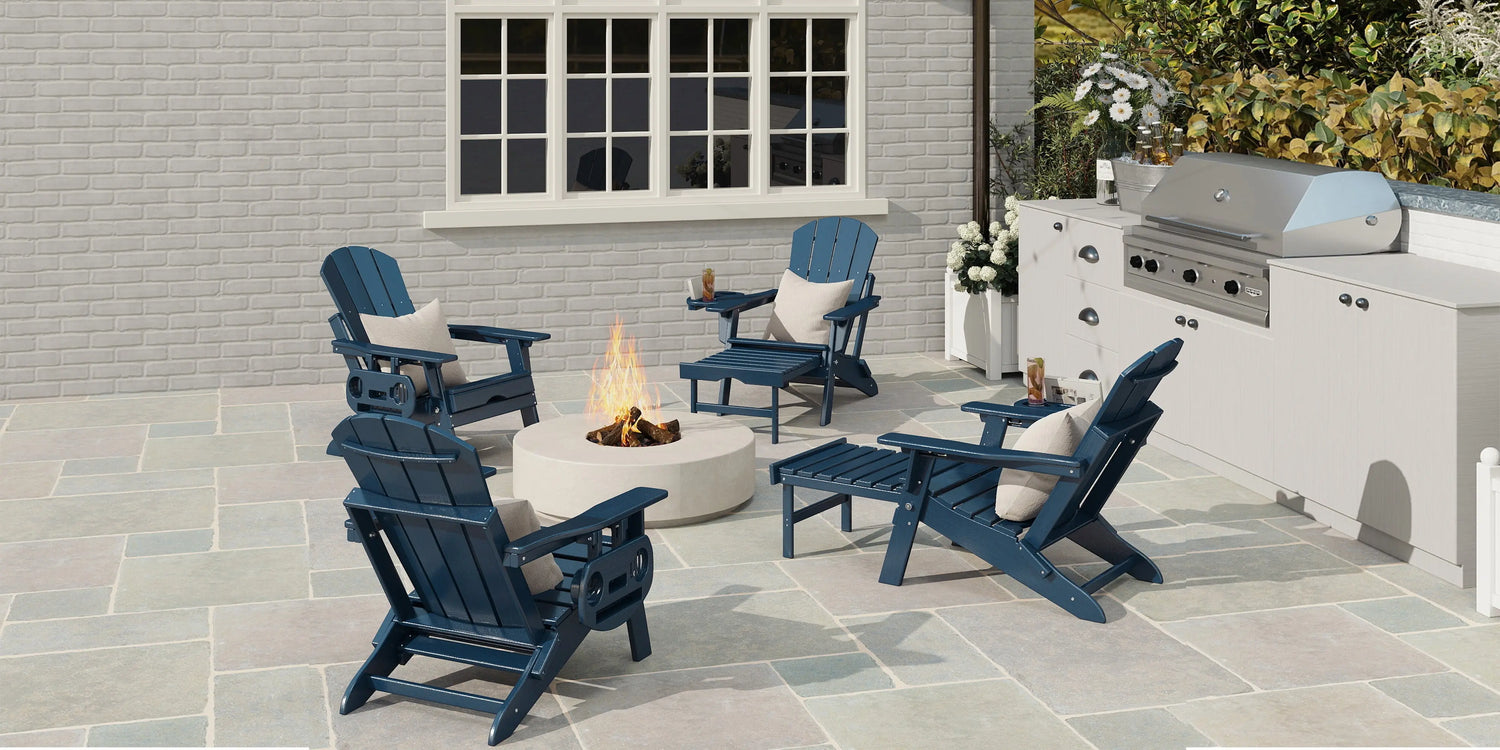
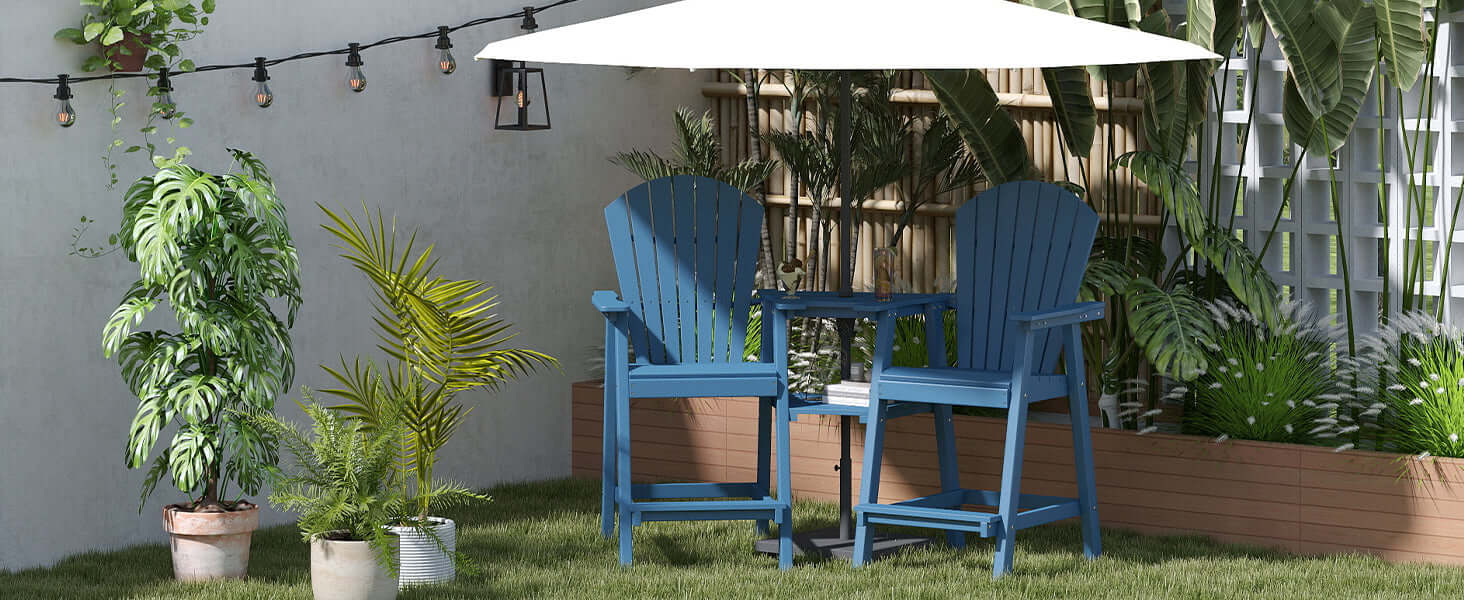
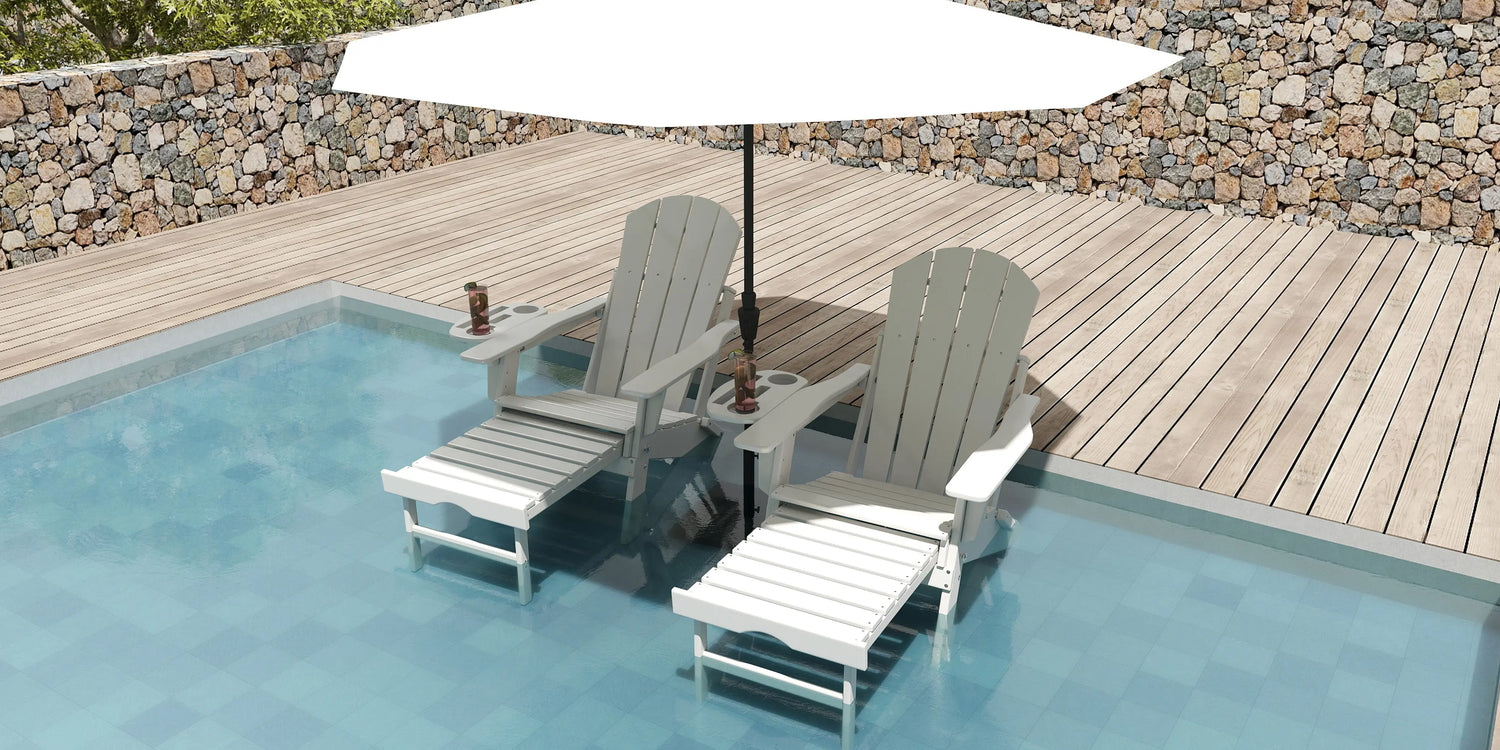
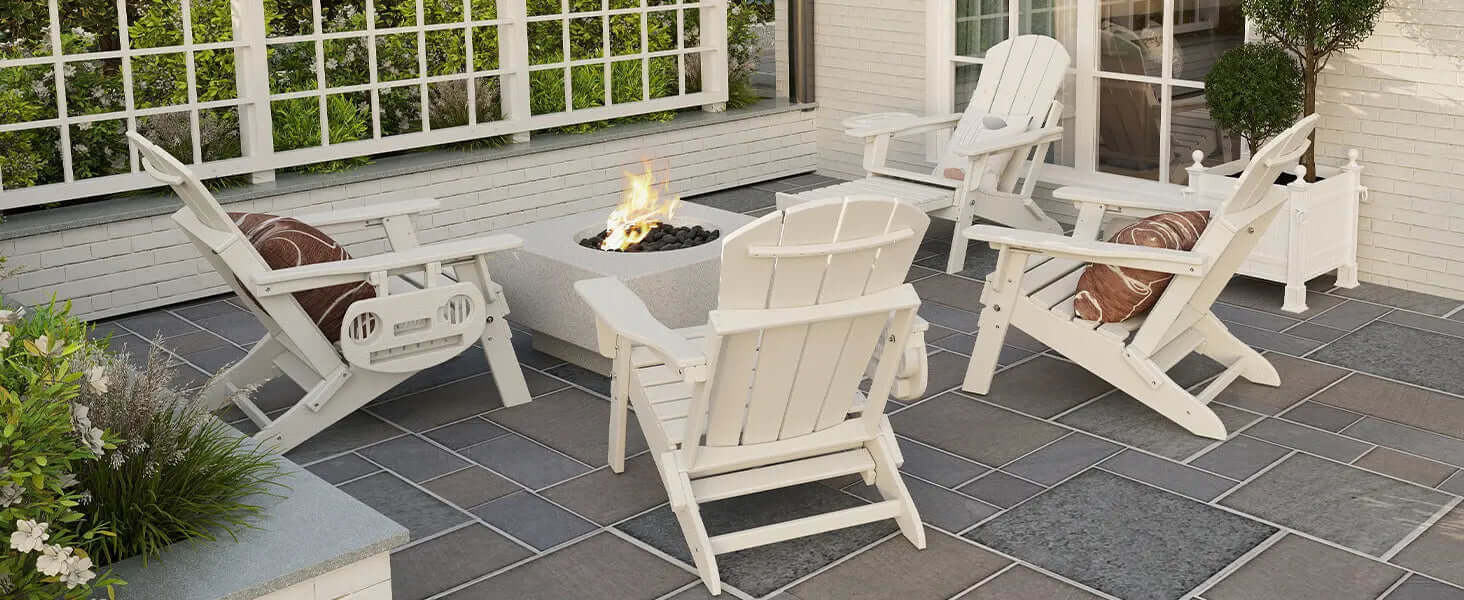
HDPE poly lumber breaks that cycle. It is a dense, recycled plastic material that will not rot, splinter, rust, or absorb moisture. It shrugs off rain, snow, salt air, and direct sun without fading, and it never needs sanding, staining, sealing, or painting. A quality HDPE set lasts 20 years or more — the whole point of our full guide to HDPE outdoor furniture.
If you are weighing the upfront cost, it helps to see it through a lifetime lens. A $400 big-box set that needs replacing every three seasons costs you more over a decade than a single HDPE set that never wears out. Our cost-versus-value analysis runs those numbers in detail, and the math is not close. The cheap set is the expensive one.
So yes, sell the old table. Donate the chairs. Recycle the metal. But when you spend that money, spend it on a set that will still be on your patio — unfaded, unstained, and unbothered — twenty summers from now.

And if you are replacing a beat-up pair of Adirondacks that finally gave out, this is the chair that makes the upgrade permanent.

FAQ
How do I get rid of old outdoor furniture?
You have four realistic paths: sell it on Facebook Marketplace, OfferUp, or Craigslist; donate it to Habitat for Humanity ReStore, Goodwill, or a local shelter; recycle the metal, wood, or plastic through a scrap yard or recycling center; or arrange a bulky-waste pickup as a last resort. Selling or donating almost always beats the landfill, and it often puts money back in your pocket or a usable set in someone else's home.
Where can I donate used patio furniture?
Habitat for Humanity ReStore accepts gently used outdoor furniture and even schedules free pickups in many cities. Goodwill and The Salvation Army take smaller pieces like chairs and side tables. Local shelters, veterans' organizations, community centers, and churches frequently need seating for outdoor common areas. Always call ahead to confirm the item meets their condition and safety requirements.
How much can I sell my old patio furniture for?
A good rule of thumb is 40-60% of the original retail price for furniture in excellent condition, 25-40% for good condition with light wear, and under 25% (or free) for pieces with visible damage. A well-built set in great shape from a recognizable brand can occasionally fetch more. Photograph it clean, price it realistically, and be ready to negotiate within about 10-15%.
Can outdoor furniture be recycled?
Yes, but how depends on the material. Aluminum and steel frames are highly recyclable, and scrap yards will often pay by weight. Solid wood like teak, cedar, or oak can be repurposed or chipped, though painted or sealed wood may need special handling. Plastic pieces are trickier: polypropylene and resin chairs can sometimes be recycled through specialty programs, while PVC and mixed-material pieces usually cannot be processed through curbside recycling.
What should I do before selling old furniture?
Clean the piece thoroughly, tighten any loose hardware, and take bright, honest photos from multiple angles in natural light. Write a clear listing that includes dimensions, brand, material, age, and any flaws. Check comparable listings to price competitively, and decide up front whether you will deliver, meet up, or offer porch pickup. Honest photos and a fair price are what actually move used furniture quickly.
Is it worth upgrading to HDPE furniture?
For most people, yes. HDPE poly lumber resists rot, insects, fading, and moisture, and it typically lasts 20 years or more with no sanding, staining, or sealing. While the upfront cost is higher than big-box wood or plastic, the lifetime cost is often lower because you buy once instead of replacing a cheap set every few seasons. If you are tired of the sell-donate-replace cycle, HDPE is the endpoint that breaks it.

Mike Hartman
With over 20 years in outdoor construction and patio design, Mike has tested hundreds of outdoor furniture pieces in the brutal Texas sun. His philosophy: buy it once, maintain it never. When he is not writing, he is on his porch in Hill Country with a cold drink and a good book.
Read more from Mike →