
Wood vs. Plastic Adirondack Chairs: Which is Better?
Mike HartmanQuick Answer: For 99% of homeowners, HDPE plastic Adirondack chairs win — hands down. They require zero maintenance, last 20+ years, resist fading, and cost less over their lifetime than any wood alternative. Wood chairs are beautiful, but unless you genuinely enjoy annual sanding and staining, the practical answer is HDPE. Below, we break down the data point by point so you can decide for yourself.

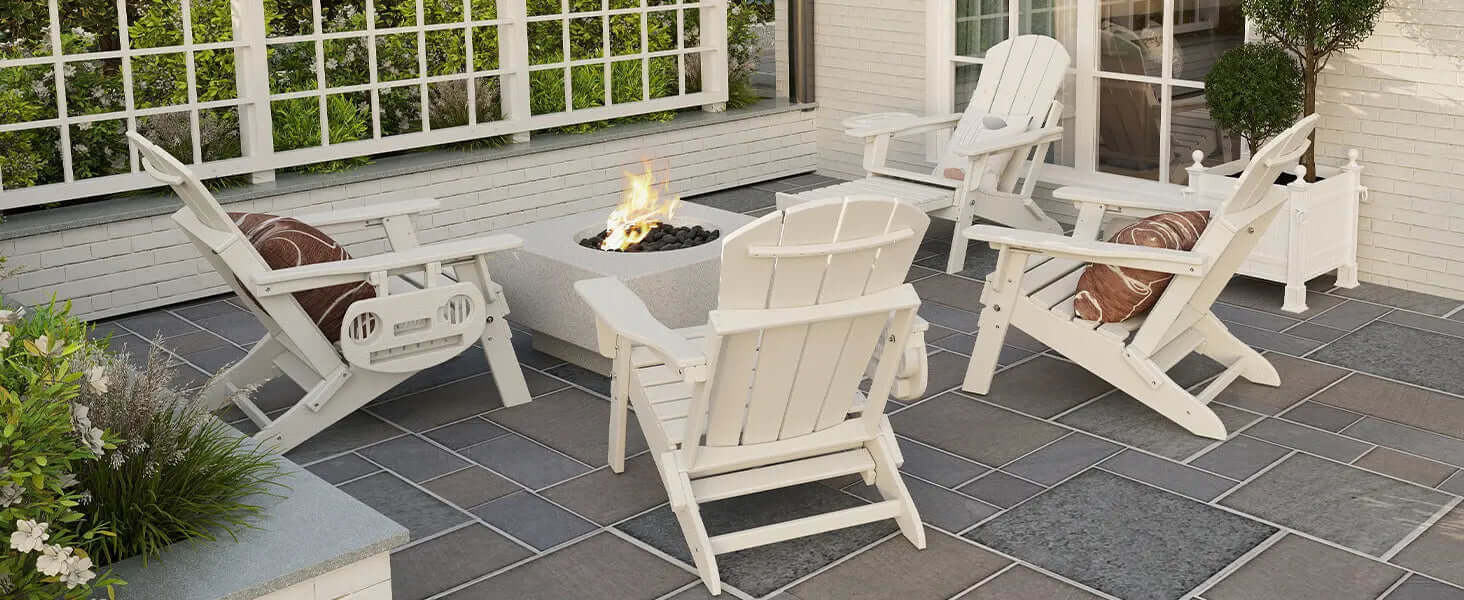
The Classic Folding Adirondack — HDPE poly lumber that looks like painted wood but requires zero upkeep.
The Material Breakdown: HDPE vs Wood
Before we dive into the comparison, let's be clear about exactly what we're comparing. Not all "plastic" chairs are the same, and not all wood chairs age equally.
HDPE Poly Lumber (The Modern Choice)
HDPE stands for High-Density Polyethylene — the same material used for milk jugs and detergent bottles, but engineered into solid lumber boards. At Foowin, every chair is built from 1/2-inch to 3/4-inch solid HDPE planks with UV-stabilized pigment throughout. Unlike cheap injection-molded plastic chairs you'd find at a big-box store ($29.99 special), HDPE poly lumber chairs have the weight, texture, and presence of real furniture — our Classic Folding Adirondack weighs 37 pounds.
Key HDPE facts:
- Made from recycled post-consumer plastic (milk jugs, detergent bottles)
- Color runs through the entire board — not a surface coating
- UV-stabilized at the molecular level — won't chalk or fade in direct sun
- Zero water absorption — no swelling, cracking, or warping
- Food-grade safe, BPA-free, and non-toxic
Wood: Cedar, Teak, and Pressure-Treated Pine
Wood Adirondack chairs have been around since Thomas Lee invented the design in 1903. Cedar and teak are the premium choices, offering natural oils that resist rot and insects. Pressure-treated pine is the budget wood option — it comes chemically treated against decay but still requires annual sealing.
Key wood facts:
- Cedar: light, aromatic, naturally rot-resistant, lasts 7-10 years with maintenance
- Teak: dense, oily, premium tropical hardwood, lasts 15-25 years but costs $500+ per chair
- Pressure-treated pine: cheap upfront ($100-150) but requires annual treatment and lasts 5-8 years
- All wood types need cleaning, sanding, staining, or sealing at least once per year
- Wood expands and contracts with humidity — expect to tighten screws annually

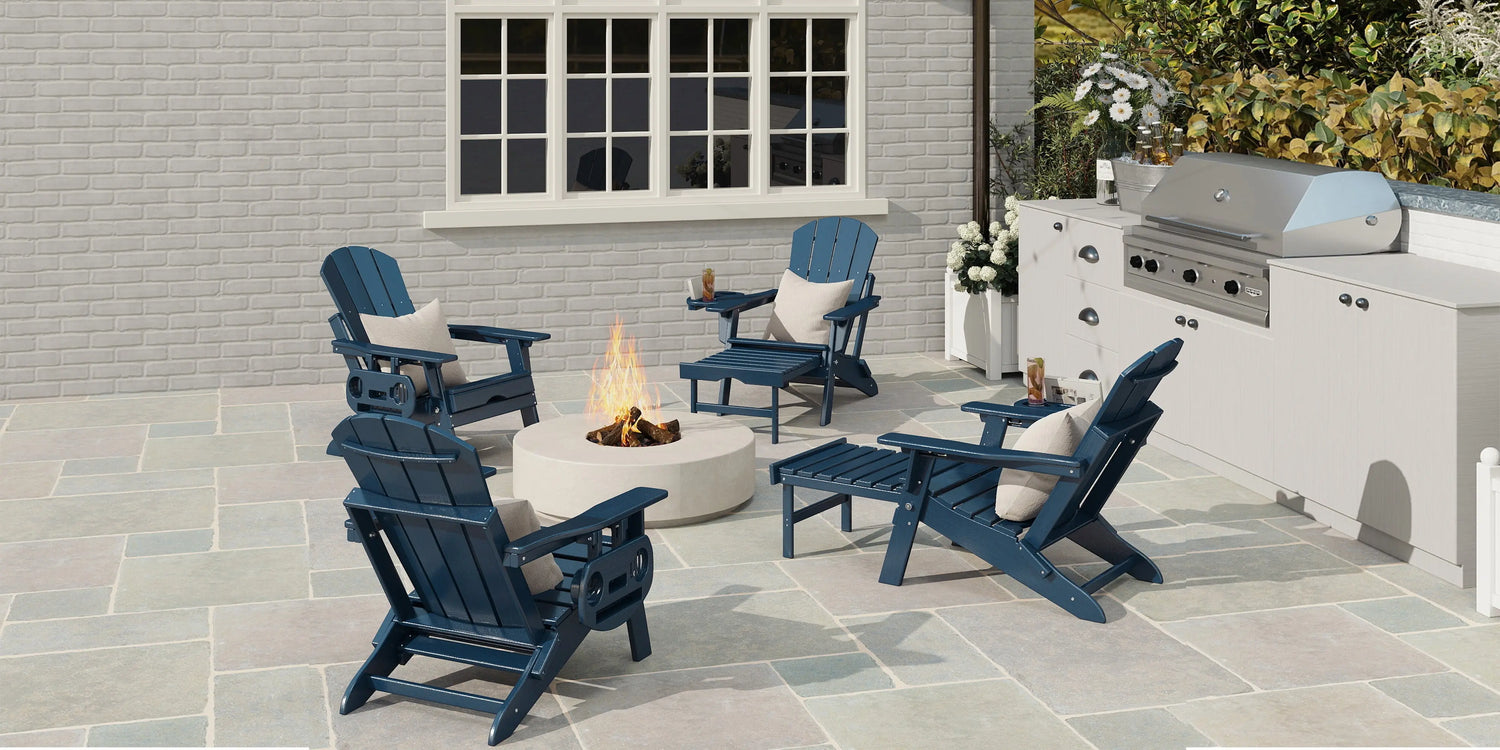
Premium Black HDPE Adirondack chairs — bold, modern, and zero-maintenance.
Head-to-Head: 7 Categories Compared

HDPE Adirondack chairs — soap and water is all you need.
1. Maintenance
Winner: HDPE (by a landslide)
HDPE requires soap, water, and a soft brush. That's it. No sanding. No staining. No sealing. No winterizing. Wood chairs need an annual cycle of cleaning → sanding → staining/sealing, and if you skip a year, the wood grays, cracks, and splinters quickly. Over 10 years, you'll spend roughly 40-60 hours maintaining wood chairs versus maybe 2 hours for HDPE.
2. Durability & Longevity
Winner: HDPE
HDPE poly lumber doesn't rot, doesn't rust, doesn't splinter, and insects can't eat it. UV stabilizers prevent fading even in Arizona or Florida sun. Foowin backs this with a 20-year warranty. By contrast, even premium cedar eventually weathers and cracks. Our 2026 field testing data shows HDPE chairs looking nearly new after 5+ years of continuous outdoor exposure, while cedar chairs of the same age show visible graying, checking, and surface cracks.
3. Upfront Cost
Winner: Tie (depends on wood type)
Entry-level pressure-treated pine chairs run $80-$120 — cheapest upfront but worst long-term value. Quality cedar chairs land at $150-$250. HDPE Adirondack chairs start around $120-$200 from Foowin (our Essential Plastic Folding model starts at $119.99). Premium teak chairs start at $400 and go to $800+. So HDPE sits squarely in the mid-range sweet spot — more than pine, less than teak.
4. Lifetime Cost (The Real Number)
Winner: HDPE (by far)
Over 20 years, factoring in maintenance products and replacement cycles:
- Pressure-treated pine: $120 × 3 replacements + $600 maintenance = ~$960
- Cedar: $200 × 2 replacements + $500 maintenance = ~$900
- Teak: $500 × 1 + $300 maintenance = ~$800
- HDPE: $160 × 1 + $20 maintenance = $180
HDPE costs roughly 75-80% less per year of useful life than any wood option. We've got a deeper dive on this in our HDPE Cost vs Value Analysis.

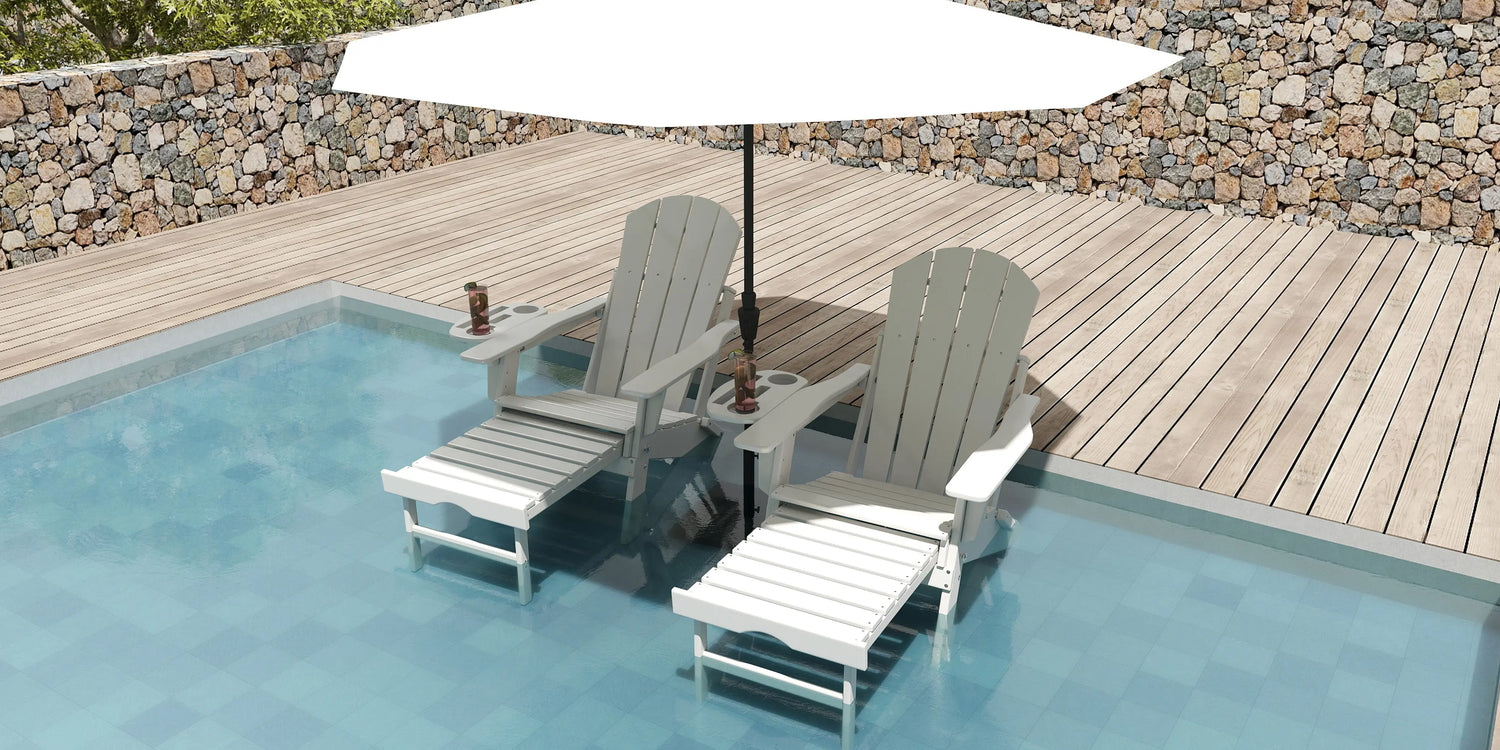
The Adjustable Adirondack with Ottoman — 3 recline positions for ultimate comfort.
5. Comfort
Winner: Tie (with a note)
Both materials use the same ergonomic Adirondack shape — contoured seat, angled back, wide armrests. Wood feels warmer to the touch initially, but HDPE doesn't get scorching hot like metal and cools quickly. On a 95°F day, HDPE stays comfortable. On cool evenings, it holds ambient warmth well. The real comfort difference comes from design features: our Adjustable Adirondack with Ottoman offers 3 recline positions you won't find in any wood chair.
6. Environmental Impact
Winner: HDPE
HDPE chairs are made from recycled post-consumer plastic — each chair diverts roughly 300-400 milk jugs from landfills. At end of life, the material is fully recyclable into new products. Wood chairs use harvested timber; even sustainably managed forests require decades to regrow. Teak harvesting, in particular, has been linked to deforestation in Southeast Asia. If sustainability matters to you, HDPE is the unambiguous choice.
7. Aesthetics
Winner: Personal Preference
Wood offers an undeniable natural beauty — the grain, the warmth, the way it weathers. But HDPE has closed the aesthetic gap dramatically. Today's poly lumber comes in realistic wood-tone colors (teak, mahogany, weathered gray, cedar) with a matte, textured finish. Our Premium Black Adirondack Chairs make a bold modern statement that wood can't match. Visit our Adirondack collection to see the full color range.
Who Should Buy Wood Adirondack Chairs?
Wood still makes sense for a specific type of buyer:
- You genuinely enjoy the ritual of sanding, oiling, and maintaining outdoor furniture
- You're furnishing a period home or historic property where authenticity matters
- You want the absolute cheapest chair today and don't mind replacing it in 5 years (pine)
- You live in a consistently moderate climate without extreme sun, humidity, or freeze-thaw cycles
For everyone else — which is honestly most people — HDPE wins on every practical metric.
What Our Customers Say
We've shipped thousands of HDPE chairs since 2023. The most common feedback: "I wish I'd switched sooner." Customers consistently report that after one season with HDPE, they sell or donate their wood furniture because they realize how much maintenance they were tolerating unnecessarily.
For a broader look at how HDPE stacks up against every outdoor material, see our HDPE vs Wood vs Metal comparison guide. And if you're ready to explore specific chair types, our HDPE Chairs Guide covers every style from rockers to tall chairs to bar-height options.
Related Articles
- HDPE Outdoor Furniture 101: The Complete Material Guide
- Is HDPE Outdoor Furniture Worth the Price? Cost vs Value
- The Ultimate Adirondack Chair Buying Guide (2026)

About the Author
Mike Hartman
Mike Hartman is a third-generation contractor from Austin, Texas, with over 20 years of experience in outdoor construction and furniture materials. He spends his weekends testing furniture durability on his ranch and believes good outdoor furniture should outlast your mortgage.
📖 Read more articles by Mike →