

HDPE vs Resin vs Poly Lumber: Material Terms Explained (2026)
Last Updated at: Mike HartmanQuick Answer: Are HDPE, Resin, and Poly Lumber the Same?
Quick Answer: HDPE and poly lumber are essentially the same material: 100% high-density polyethylene plastic formed into solid boards for outdoor furniture. Resin is a broader, lower-quality category. When shopping for durable outdoor furniture, look for "HDPE poly lumber" or "100% HDPE," not just "resin" or "all-weather plastic," which often means hollow molded plastic that cracks and fades within 2-3 years. The terminology confusion is deliberate: manufacturers of cheap furniture borrow the language of quality materials. Here is how to cut through the marketing.
The Terminology Problem
The outdoor furniture industry has a vocabulary problem. Three terms get used interchangeably by marketers who either do not understand the differences or are deliberately blurring them.
HDPE (High-Density Polyethylene)
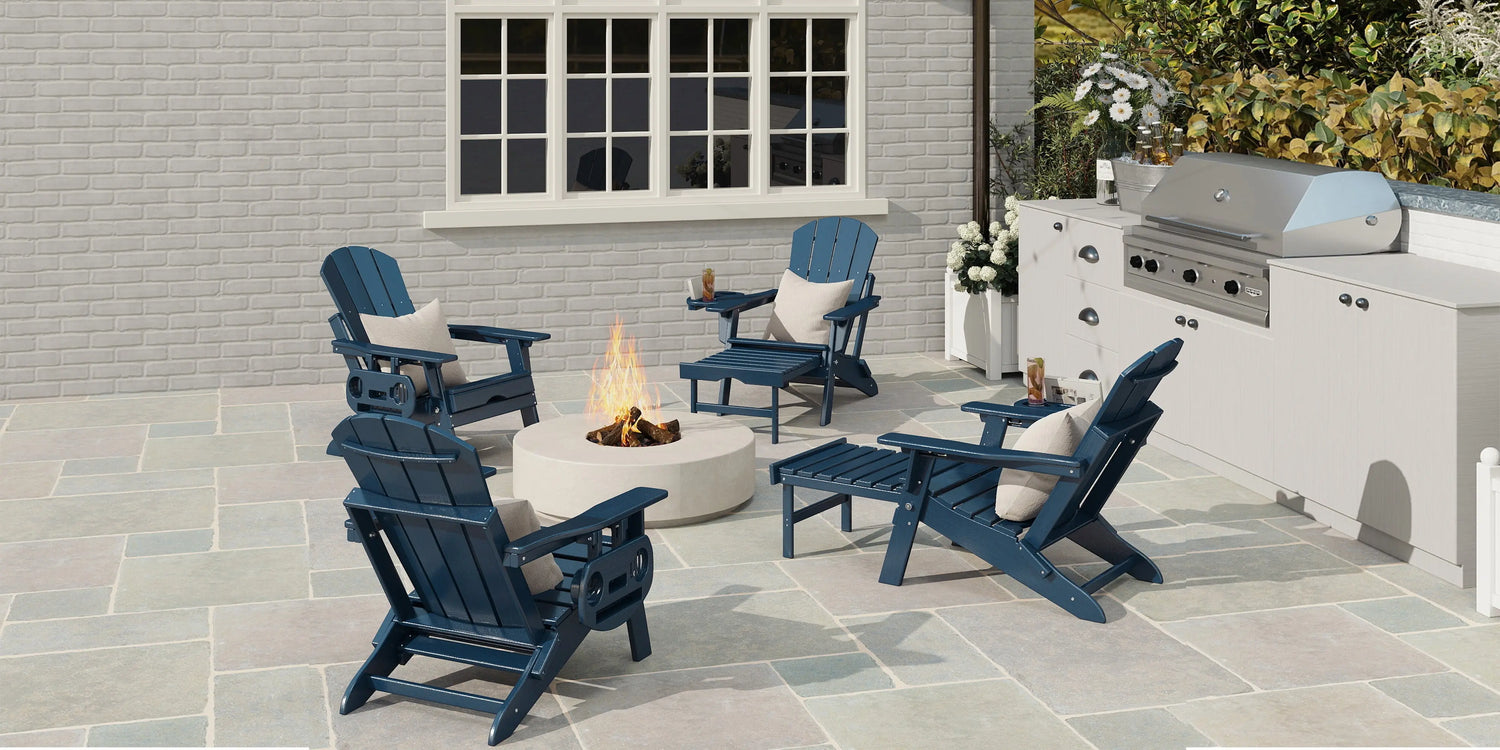
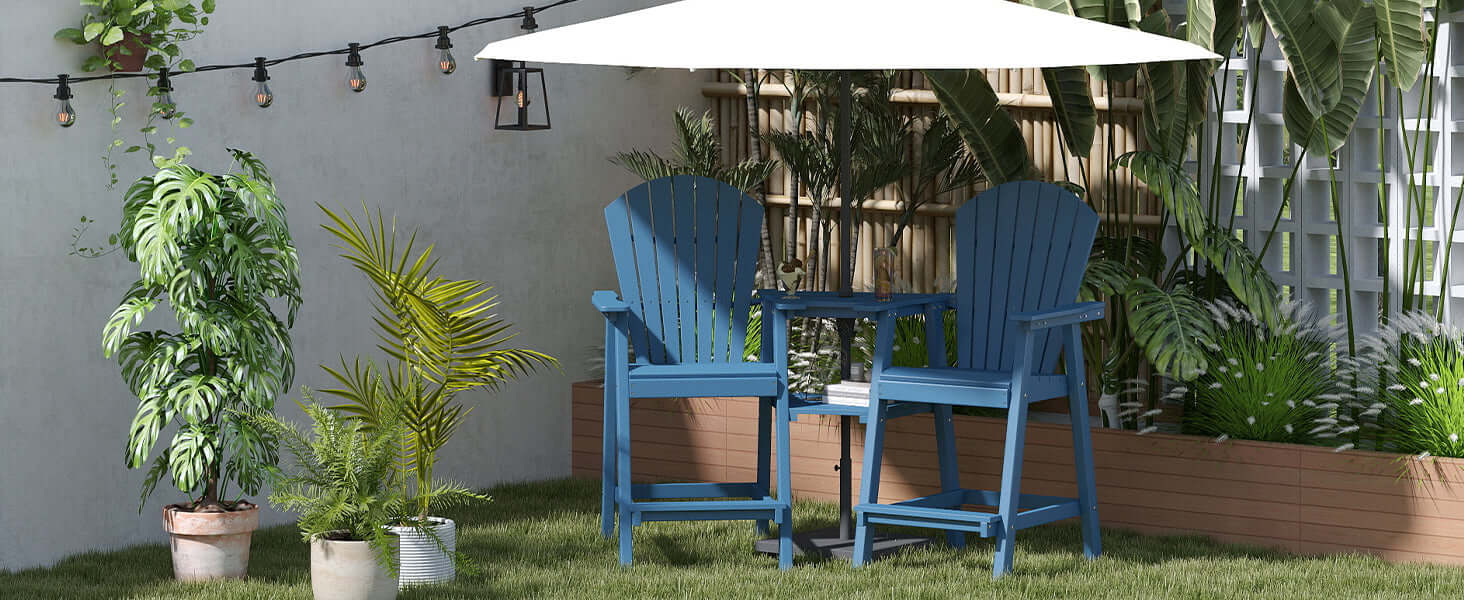
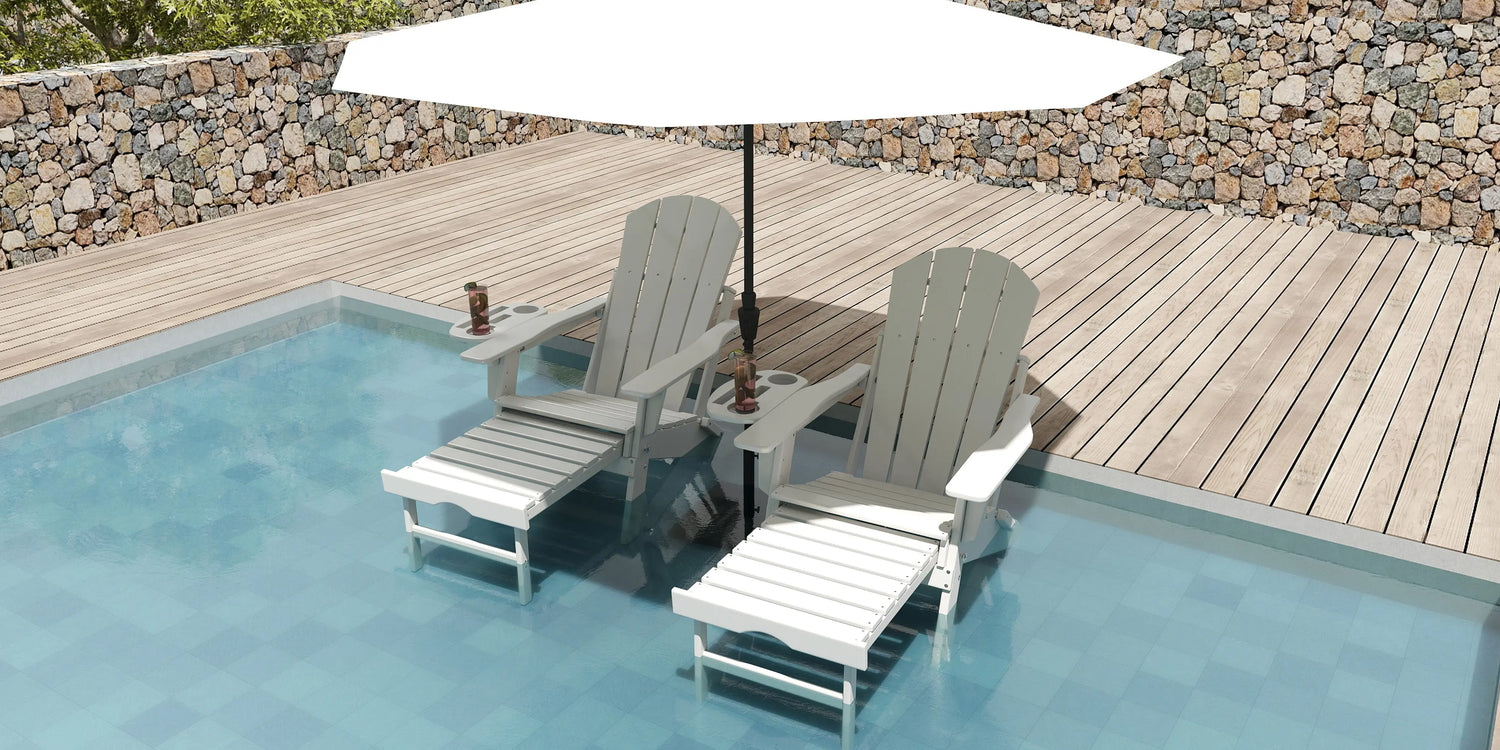
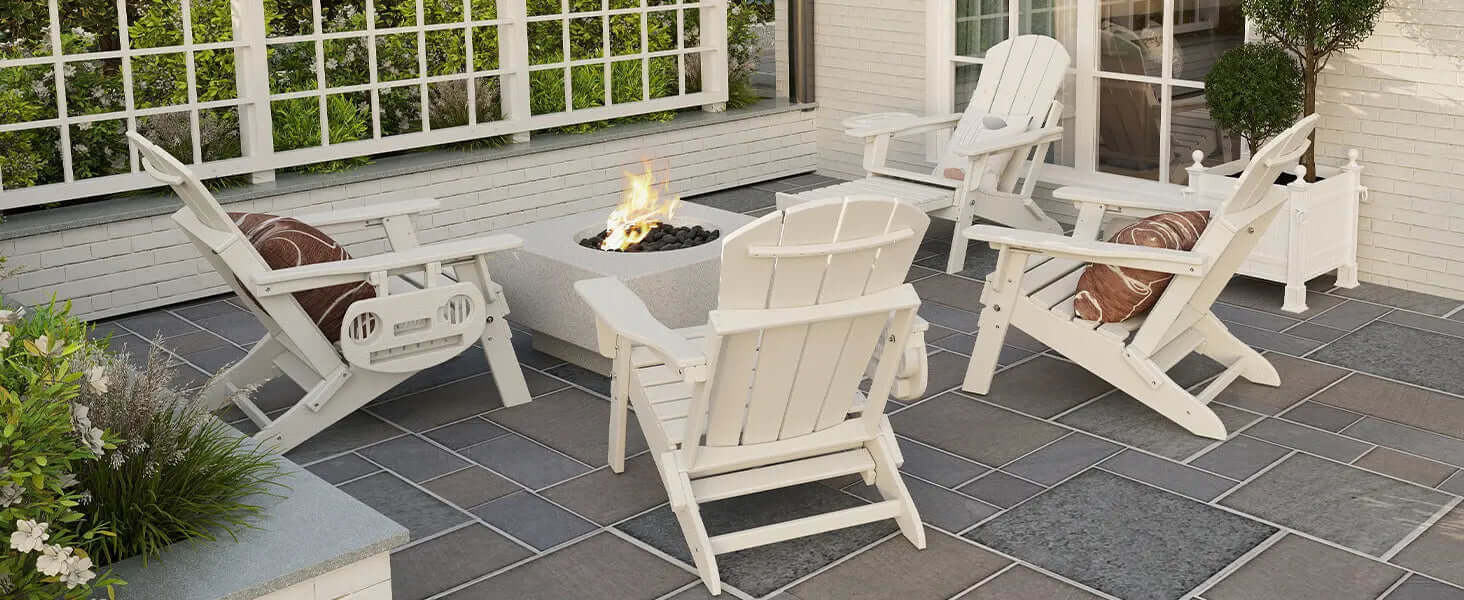
HDPE is a specific grade of plastic. The same material used for milk jugs, detergent bottles, and cutting boards. It is dense, rigid, and recyclable. For outdoor furniture, HDPE is cleaned, shredded, melted, mixed with UV stabilizers and color pigments, then extruded into solid boards that resemble painted wood. The key word is solid. HDPE poly lumber boards are dense all the way through. No hollow cores, no foam filling, no veneer over cheap substrate. When a description says "100% HDPE," it means every board is made from this material. This is what Foowin furniture uses.
Poly Lumber
Poly lumber is a manufacturing term, not a material specification. It describes extruding recycled plastic into boards that look like wood. Most poly lumber IS HDPE, but not all. Some manufacturers use mixed plastics (HDPE blended with polypropylene or PVC) which have worse weather resistance. If a product says "poly lumber" without specifying HDPE, ask what type of plastic. If the manufacturer cannot or will not tell you, assume it is mixed.
Resin
Resin is the most abused term. Technically, resin means any synthetic polymer, from high-end HDPE to the cheapest molded plastic. Marketers love "resin" because it sounds premium without committing to any material quality. "All-weather resin" furniture at big-box stores is usually hollow injection-molded polypropylene, the same plastic used for yogurt containers, formed into chair shapes with air inside. It is light, cheap, and degrades in sun within 2-3 years. The rule: if the description says "resin" without specifying HDPE, and the chair weighs under 20 pounds, it is hollow molded plastic. Walk away.
How to Tell What You Are Actually Buying
Weight Test
Solid HDPE furniture is heavy. An Adirondack chair should weigh 35-50 pounds. Hollow "resin" chairs weigh 8-15 pounds. Pick it up. If it feels surprisingly light, it is not solid HDPE.
Price Test
A single HDPE Adirondack chair costs $150-300. A "resin Adirondack chair" for $59.99 is injection-molded polypropylene. The material cost alone for solid HDPE exceeds that retail price.
Hardware Test
Genuine HDPE furniture uses stainless steel bolts. Budget resin furniture uses zinc-plated hardware that rusts within a year. Bring a magnet: stainless steel is non-magnetic or very weakly magnetic.
Frequently Asked Questions
Is poly lumber just recycled plastic?
Quality poly lumber is made from clean, sorted HDPE from post-consumer milk jugs and detergent bottles. UV stabilizers and pigments are added during manufacturing. The result performs identically to virgin HDPE and can be recycled again at end of life.
Why do some HDPE chairs cost $200 and others $600?
Material thickness, hardware quality, design complexity, and brand. Thicker boards cost more. Stainless steel hardware costs more than zinc-plated. Contoured designs require more manufacturing steps. Established brands charge for warranty confidence.
Can HDPE furniture be recycled?
Yes. HDPE is one of the most recyclable plastics. At end of life (20+ years), HDPE furniture can be ground down and re-extruded into new products. This is an environmental advantage over composites and treated wood which typically end up in landfills.

Mike Hartman
With over 20 years in outdoor construction and patio design, Mike has tested hundreds of outdoor furniture pieces in the brutal Texas sun. His philosophy: buy it once, maintain it never. When he is not writing, he is on his porch in Hill Country with a cold drink and a good book.
Read more from Mike ->